British Columbia · Vehicle collection
Cash for Cars and Scrap Car Removal in British Columbia
How do you sell a scrap or junk car in British Columbia?
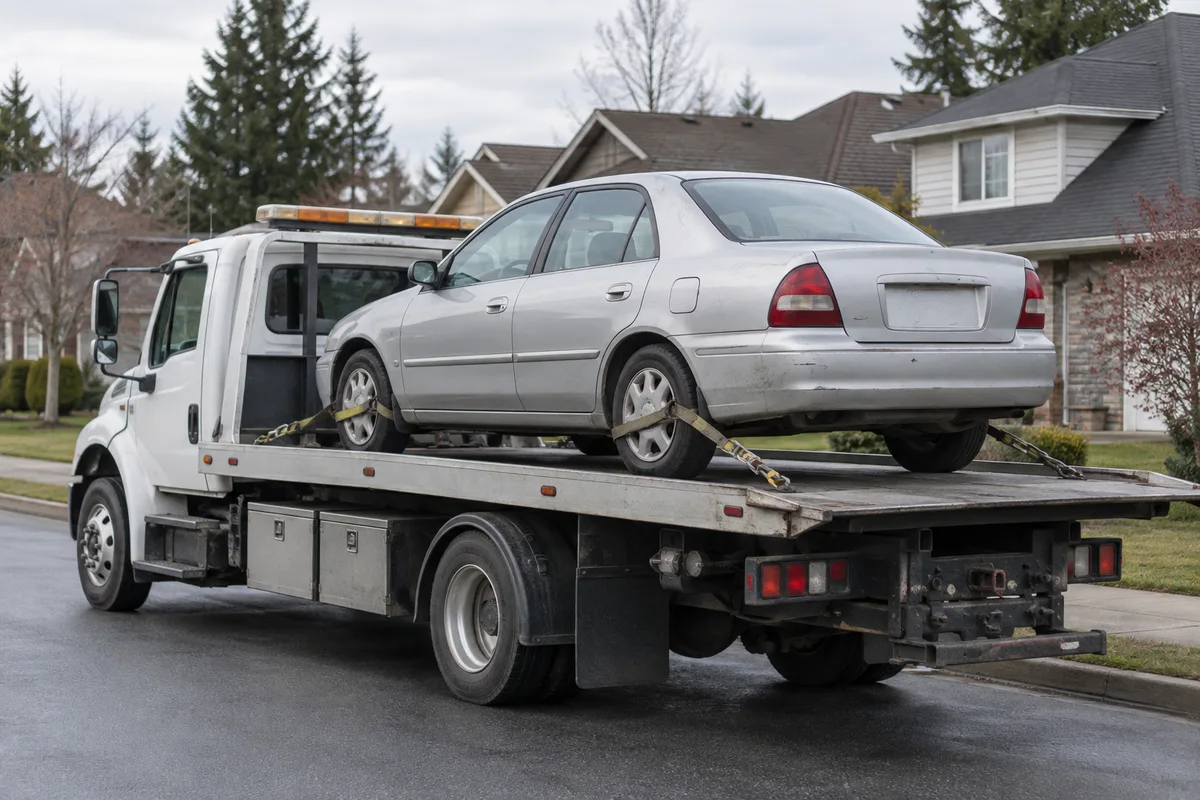
Send your vehicle details and collection postal code to request an offer. Cash For Cars contacts you by phone or email to discuss the assessment. You review the offer and arrange a pickup if you wish to proceed with the proposed sale.
Use the free scrap car value calculator for an individual enquiry. A price example is illustrative, and the form does not produce an instant valuation.
Where can you request pickup in British Columbia?
Use the location page that matches where the vehicle is parked, and provide its actual postal code. Confirm another address directly when it is not listed. A province-wide enquiry route does not guarantee that every address has the same collection availability or appointment times.
22 cities
No cities match your search. Try another name or clear your search.
Abbotsford
Read moreBurnaby
Read moreChilliwack
Read moreCoquitlam
Read moreDelta
Read moreLangley
Read moreMaple Ridge
Read moreMission
Read moreNew Westminster
Read moreNorth Vancouver
Read morePort Coquitlam
Read morePort Moody
Read moreRichmond
Read moreSquamish
Read moreSurrey
Read moreVancouver
Read moreWest Vancouver
Read moreWhite Rock
Read moreVictoria
Read moreKelowna
Read moreKamloops
Read moreNanaimo
Read more
What details help assess the vehicle?
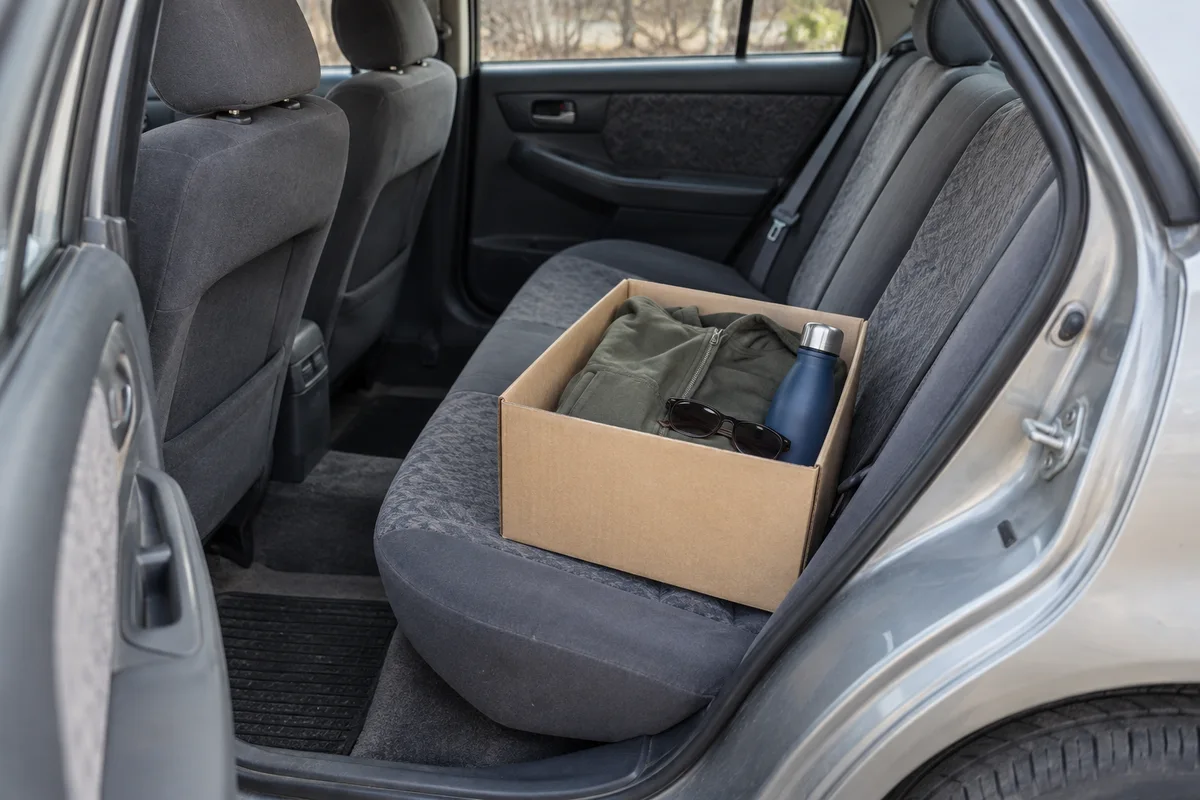
Provide the year, make, model and known condition. State whether the vehicle starts, rolls and steers, and list missing components. Explain a garage, gate or other access restriction so the proposed collection reflects the actual vehicle and the property where it stands.
The vehicle value factors guide explains how condition and completeness affect assessment. The national calculator’s illustrative tables explain vehicle and model comparisons; an individual assessment establishes the offer for your car.
What paperwork do you check in British Columbia?
Gather the registration information and establish authority to sell before arranging handover. Ask an Autoplan broker how the registration, transfer and plate steps apply to the proposed transaction. The BC scrapping guide also separates an ordinary purchase from an insurance-related disposal and the SCRAP-IT programme. Check ICBC.
Explain missing records, a company or estate vehicle, co-ownership or an unresolved claim before proceeding. Keep a completed sale record and confirm any registration and insurance follow-up for your circumstances.
Is same-day pickup available in British Columbia?
Same-day pickup is often available, subject to the address, access and collection schedule. Confirm the appointment before relying on a particular time. A rural or differently located vehicle requires its own address check, even when an appointment is available for another owner in the province.
What happens at collection?
The vehicle is inspected and the purchase amount is confirmed before you decide to complete the sale. An accepted purchase includes cash on the spot and free towing. Our sale and collection process explains the steps from offer discussion to handover.
Which selling decision do you resolve before pickup in British Columbia?
Match the paperwork to your actual transaction before releasing the car. Missing records, finance, an estate or a claim can change the next step. Explain the situation early so the purchase discussion and collection arrangements reflect what is ready to proceed.
Choose the ordinary purchase, insurance-claim or SCRAP-IT route before scheduling release. The BC scrapping guide explains how these routes differ and which records belong to each. A programme application and a commercial purchase are separate decisions.
What collection details are useful beyond the city name?
Describe the parking space and the route to the vehicle. Access, wheel movement and the person who can release the car matter when arranging the visit. Tell us about a restriction before the appointment rather than waiting until collection.
Describe an island location, ferry-dependent journey, steep approach or underground space before agreeing on collection. Give the actual location of the car rather than only your mailing address. A scheduled collection elsewhere in BC does not establish the same access or timing for your property.
Compare the amount you receive and the included collection terms using the same vehicle description. Ask which details remain subject to inspection, and tell us if a component has been removed since the first discussion. Keep the agreed details with your sale record.
Which guide helps when your vehicle needs a different sale route?
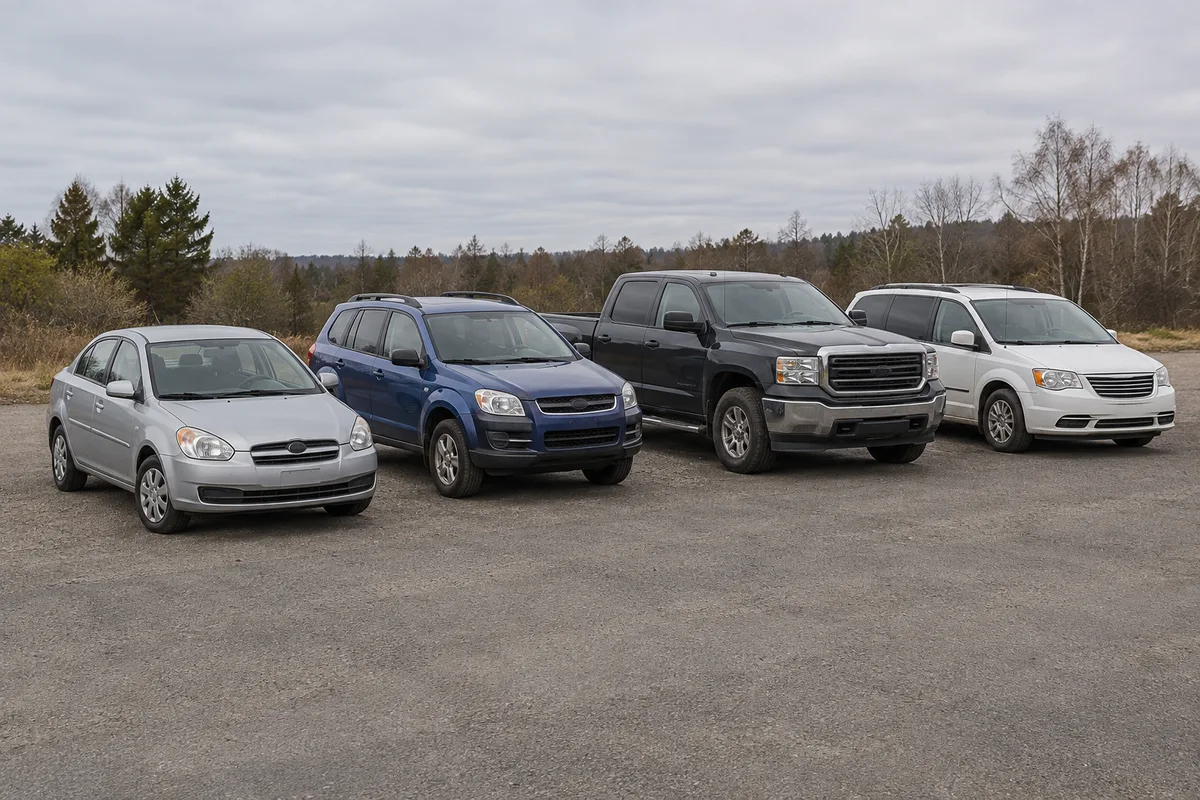
Start with the unresolved ownership or condition question before arranging collection. The shared guides compare relevant provincial procedures and identify the documents or decisions to confirm. A vehicle assessment does not approve an exceptional transfer.
For paperwork, use the missing-ownership guide, lien and lease guide or inherited-car guide. If the vehicle belongs to someone else or is held in a yard, the abandoned and impounded vehicle guide distinguishes reporting from an owner’s sale.
For damage, compare vehicle brands and status with the insurance write-off process. The electric and hybrid guide covers battery and transport questions. If you are considering a charitable gift, use the donation-versus-sale comparison before choosing.
Which practical resources help before and after a sale?
Compare the actual purchase conditions in the offer worksheet. If you already have loose components or fluids, use the provincial material directory and confirm the receiving location’s conditions.
The Canadian scrapping guide explains post-sale problems, interprovincial records and the distinction between seller and buyer tax responsibilities. Use the recall and repair checks if you are still deciding whether to keep the vehicle.
Provincial selling guidance
Guides for selling your vehicle in British Columbia
Your vehicle. Your decision.
Request your vehicle’s offer
Provide your vehicle details and collection location to start your enquiry.