
Vehicle selling & recycling
Scrap Car Prices in British Columbia: Understanding an Offer
How do you find a price for your scrap car in British Columbia?
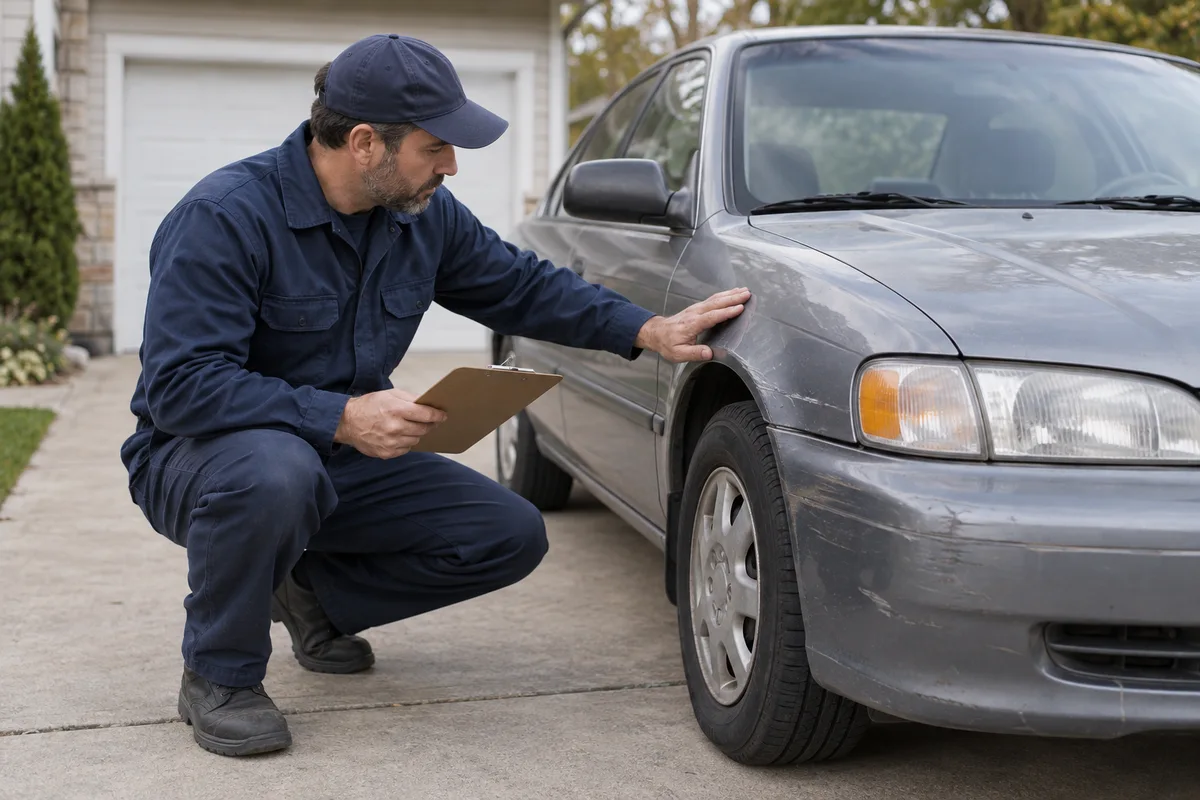
Request an assessment using the vehicle’s condition, completeness and collection location. There is no single province-wide price that establishes every car’s value. An offer reflects the individual vehicle and proposed collection, while the examples below explain assumptions rather than reporting live market prices.
How do hypothetical vehicle amounts differ?
The following amounts are invented examples in Canadian dollars. They illustrate that different assumptions produce different figures. They are not observed provincial averages, current buying rates or guaranteed ranges, and they do not establish what Cash For Cars will offer for your vehicle.
| Hypothetical vehicle scenario | Invented amount for illustration |
|---|---|
| An incomplete compact car assessed mainly for material recovery | CAD 200 |
| A complete sedan with some components considered for reuse | CAD 400 |
| A larger vehicle assessed with additional usable components | CAD 600 |
A real compact car can receive a different offer, and a larger vehicle does not automatically receive more. The national calculator examples show further vehicle, model and province illustrations in one place.
Why does the collection location matter?
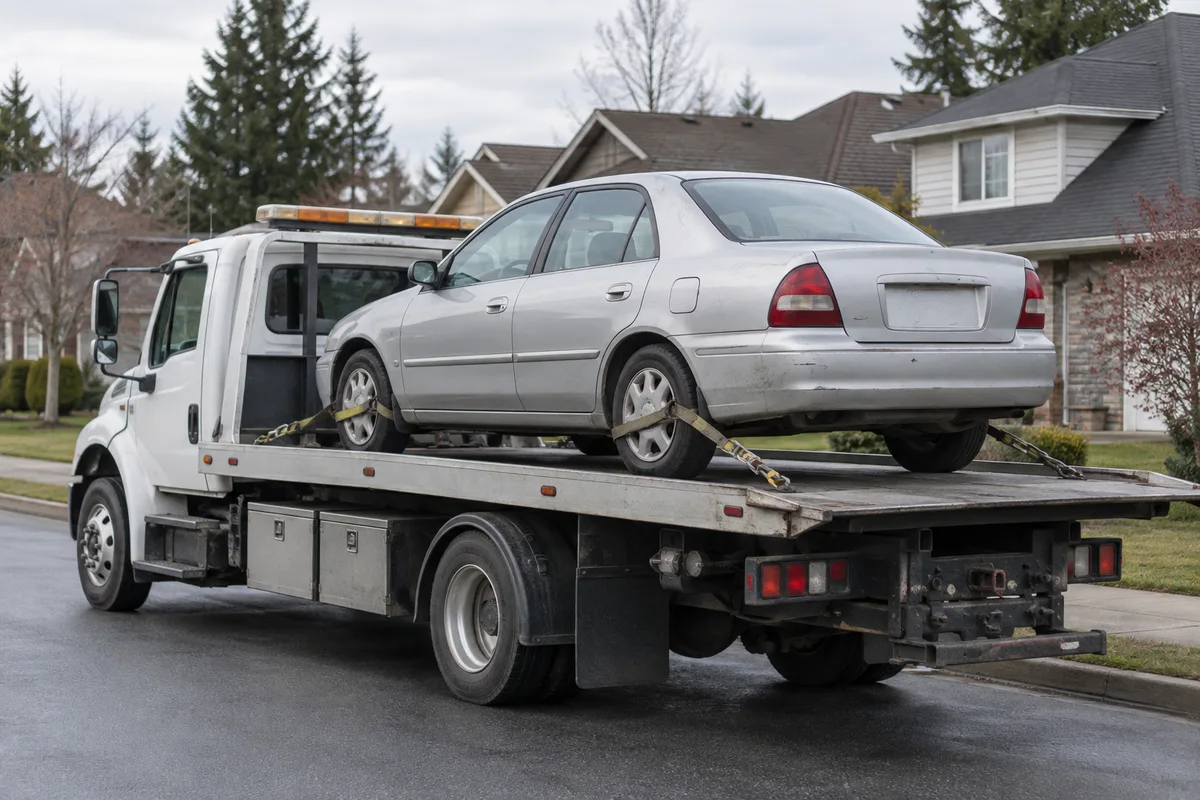
The location determines where the car must be reached and what collection is being proposed. State the actual postal code and explain access restrictions or missing wheels. A British Columbia address alone does not establish a fixed amount or a same-day collection appointment.
Cash For Cars includes free towing with an accepted purchase. Our British Columbia service hub provides the local enquiry routes.
The buyer needs the actual collection arrangement before confirming a proposal. Identify the car’s address and explain a ferry-dependent location, restricted garage or separate storage property when it applies. A BC-wide example does not measure those conditions.
Do not move the car speculatively to chase an advertised figure elsewhere. First compare the actual amount and included collection for the location where it stands. A separate transport expense is only useful to compare when both the expense and the alternative offer are known.
Is an ICBC settlement or SCRAP-IT rebate part of the offer?
Compare an independent vehicle purchase separately from an insurance settlement or programme rebate. Establish that you can release the vehicle before arranging a sale. The ICBC write-off guide covers ownership questions, and the SCRAP-IT guide explains why programme terms need a separate check.
Resolve ownership and release through the claim before agreeing to a separate sale. A buyer’s proposed amount does not establish what ICBC owes or whether you retain the vehicle. Keep the settlement discussion separate from an independent purchase comparison.
Likewise, a SCRAP-IT programme amount belongs to its own eligibility and disposal route. Do not add a rebate, insurer’s figure and hypothetical scrap amount together as though they were three confirmed payments for the same car.
What do you compare before accepting an offer?
Compare the vehicle description, amount, included towing and conditions still subject to inspection. Confirm what you would receive before agreeing to sell. Use the value factors guide to check whether competing offers describe the same vehicle.
The British Columbia scrapping guide covers the paperwork questions. You can then request an individual assessment through the free scrap car value calculator.
Ask which observed condition differs from the original description. Missing components, new damage or a changed collection location can require a fresh assessment. Review the explanation and the confirmed amount before deciding to sell.
Keep your records of the vehicle description and final agreement. A clear comparison is more useful than treating the highest invented example in a table as a minimum payment.
How do you compare hypothetical metal value with a whole-car offer?
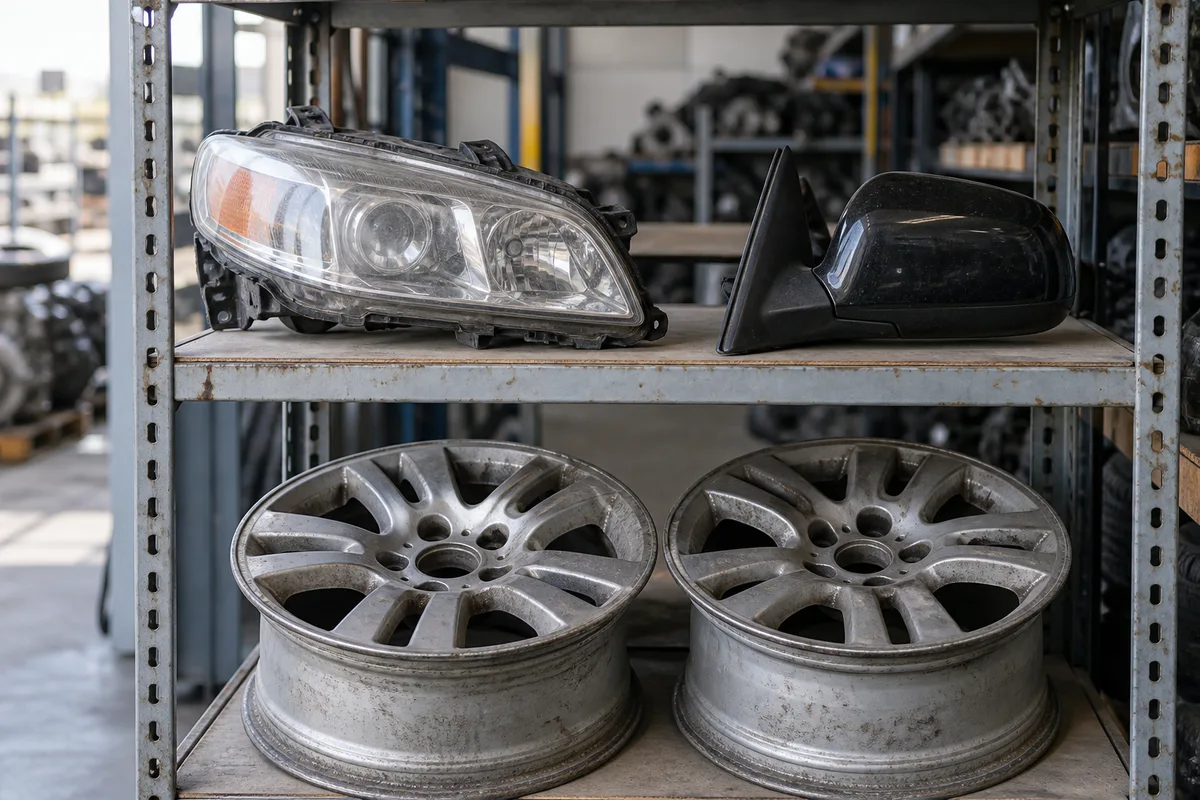
Keep the material illustration separate from the buyer’s assessment of the complete vehicle. A rate per tonne does not apply automatically to the car’s full recorded weight. Usable components and missing parts also need a consistent description.
For example, an assumed material subtotal excludes questions about whether a particular engine is reusable. Adding a retail engine listing without adjusting the material quantity can count the component twice. The calculation explanation shows the arithmetic without presenting a current buying rate.
Your vehicle. Your decision.
Request your vehicle’s offer
Provide your vehicle details and collection location to start your enquiry.