Vehicle selling & recycling
What Affects Scrap Car Value in Canada?
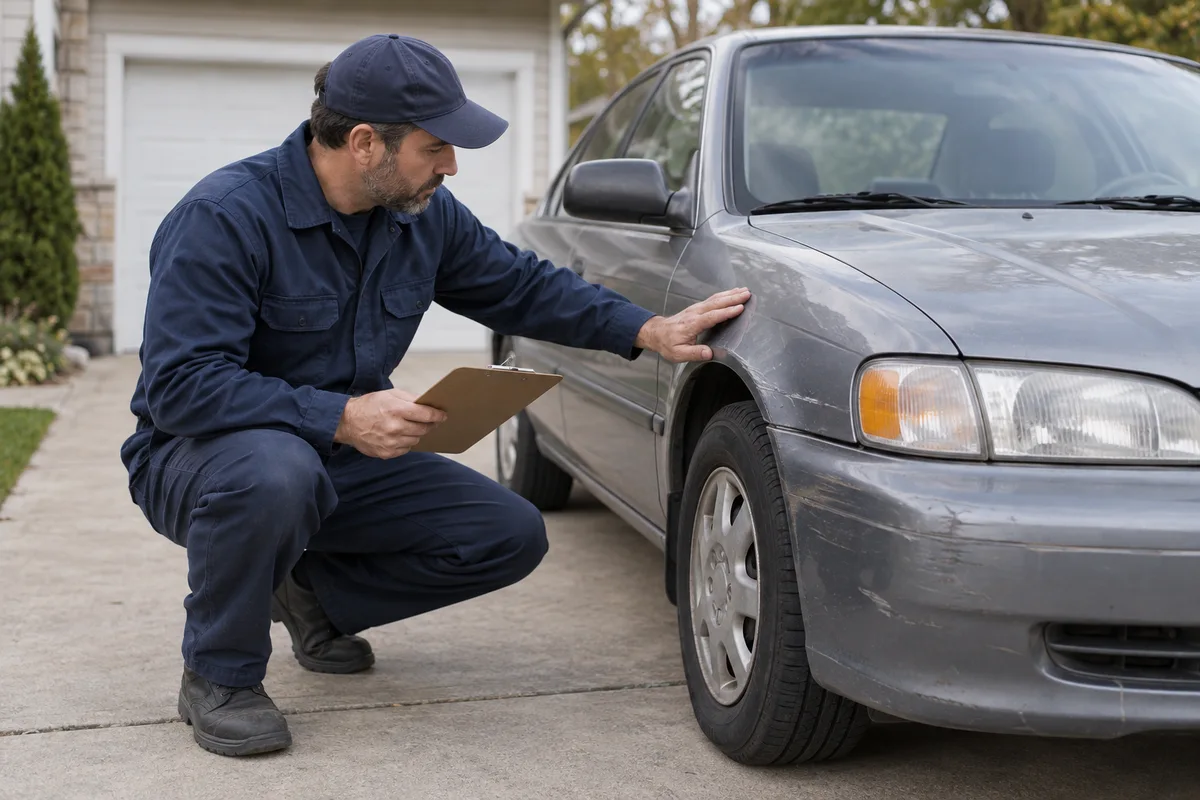
Scrap car value depends on the vehicle being assessed: its recoverable materials, usable components, condition and collection requirements. The make and model help identify the car, but they do not establish a fixed payment. An individual assessment connects those details to an offer.
Which vehicle details affect an assessment?
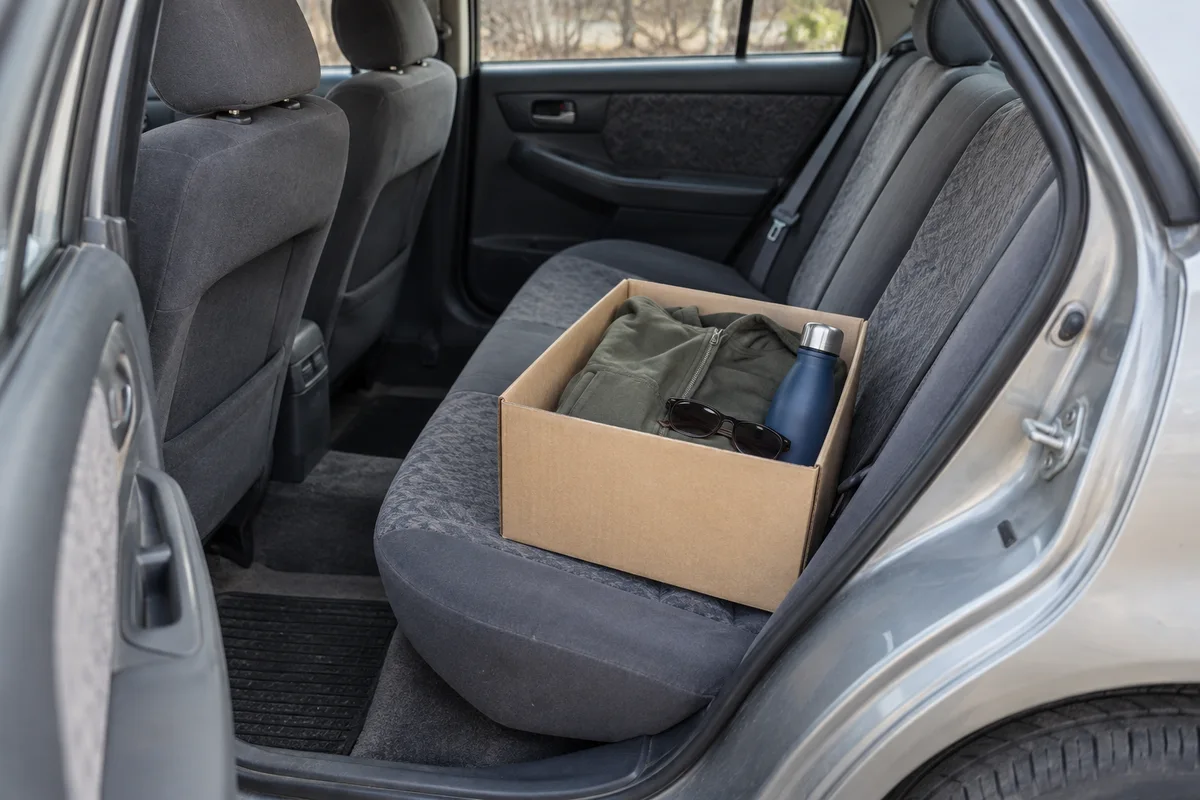
Describe the complete vehicle, its faults and anything that has been removed. The buyer needs to know what is available for reuse or material recovery and how the car can be collected. An accurate description is more useful than choosing a price from a model table.
| Detail | What to describe |
|---|---|
| Identity | Give the year, make, model and known engine or trim details. |
| Mechanical condition | Explain starting problems and known engine or transmission faults. |
| Completeness | Identify missing wheels, battery, engine, transmission or catalytic converter. |
| Damage | Describe collision, flood or fire exposure and visible structural damage. |
| Access | State whether the car rolls and steers and where it is parked. |
If you are uncertain about a fault, describe what happens when you try to use the car. “The engine turns but does not start” is more informative than an unconfirmed diagnosis. Do not dismantle the vehicle to answer an enquiry question.
Why does vehicle weight matter without deciding the offer?
Weight helps describe a potential material quantity, but a complete car is not one uniform metal load. Its recorded curb weight is not a verified weight of saleable scrap. A larger car therefore does not automatically receive a higher net purchase amount.
The scrap calculation guide shows how an assumed material quantity and assumed rate produce an illustrative subtotal. That arithmetic explains a relationship; it does not identify the recoverable quantity or the current buying rate for your vehicle.
Keep units consistent when reading examples. A metric tonne is 1,000 kilograms. A rate described only as “per ton” needs clarification before it can be compared with a metric-tonne illustration.
How do missing parts and usable components affect value?
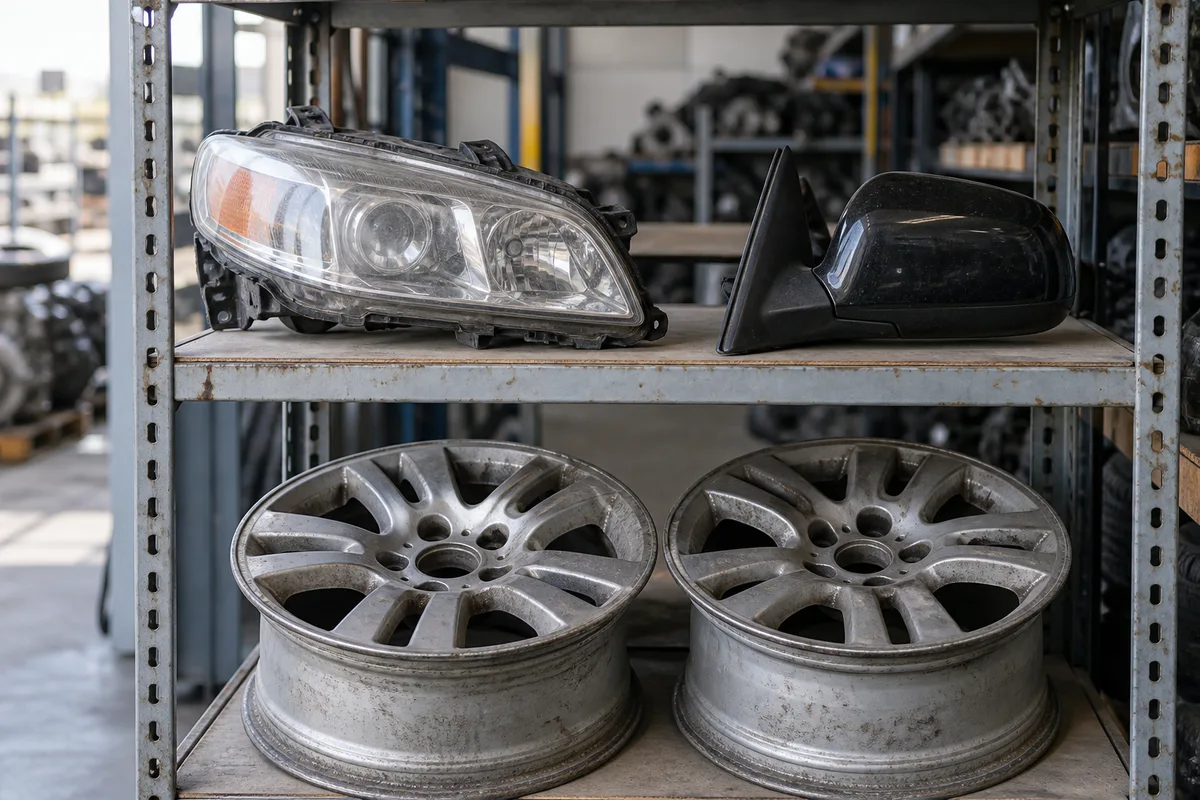
Removed or damaged components change what the buyer is assessing. A complete vehicle and a stripped shell are different purchases even when their make and model match. Tell the buyer what remains rather than assuming that a previous offer covers the changed vehicle.
For example, imagine two cars with the same model year and body style. One has its original major components, while the other has no engine or wheels. This hypothetical comparison does not assign prices; it explains why a model name alone cannot describe the available material, components or loading requirements.
A component advertised online also has a different context from one still fitted to a damaged car. Its compatibility, condition and eventual buyer matter. Do not add retail asking prices to a whole-car offer and assume that you can receive both amounts.
Does a popular make or newer model guarantee more money?
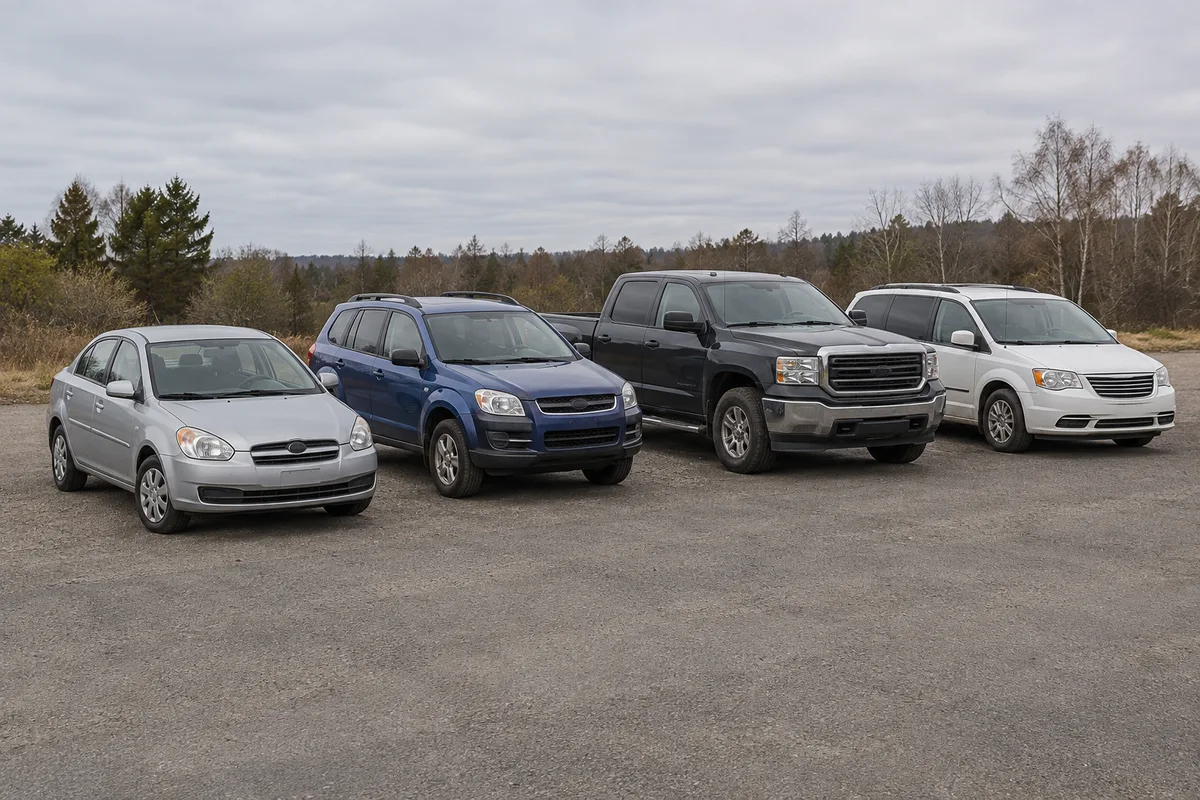
No model name guarantees a higher offer. Vehicle identity helps a buyer understand potential component use, but condition and completeness still need assessment. The same model can arrive with different damage, equipment and ownership or access issues.
Provide the correct variant if you know it. Explain whether the vehicle has an unusual engine, conversion or missing equipment. Avoid selecting a nearby model just to finish the enquiry; an incorrect identification can make the first discussion less useful.
The calculator’s make-and-model examples use hypothetical assumptions. They are not a price list for every trim, year or condition.
How do market conditions affect an offer?
An offer reflects the buyer’s assessment at the time it is discussed. Ask whether it remains available if you delay the sale and what conditions could change it. A dated example does not establish a live market rate.
Demand for recoverable materials and usable components is part of the assessment, but the website does not publish a verified live rate feed. A human assessment that considers market conditions is different from an automated online calculation. Check the actual offer terms rather than assuming that a monthly or seasonal increase is guaranteed.
Why does the collection location matter?
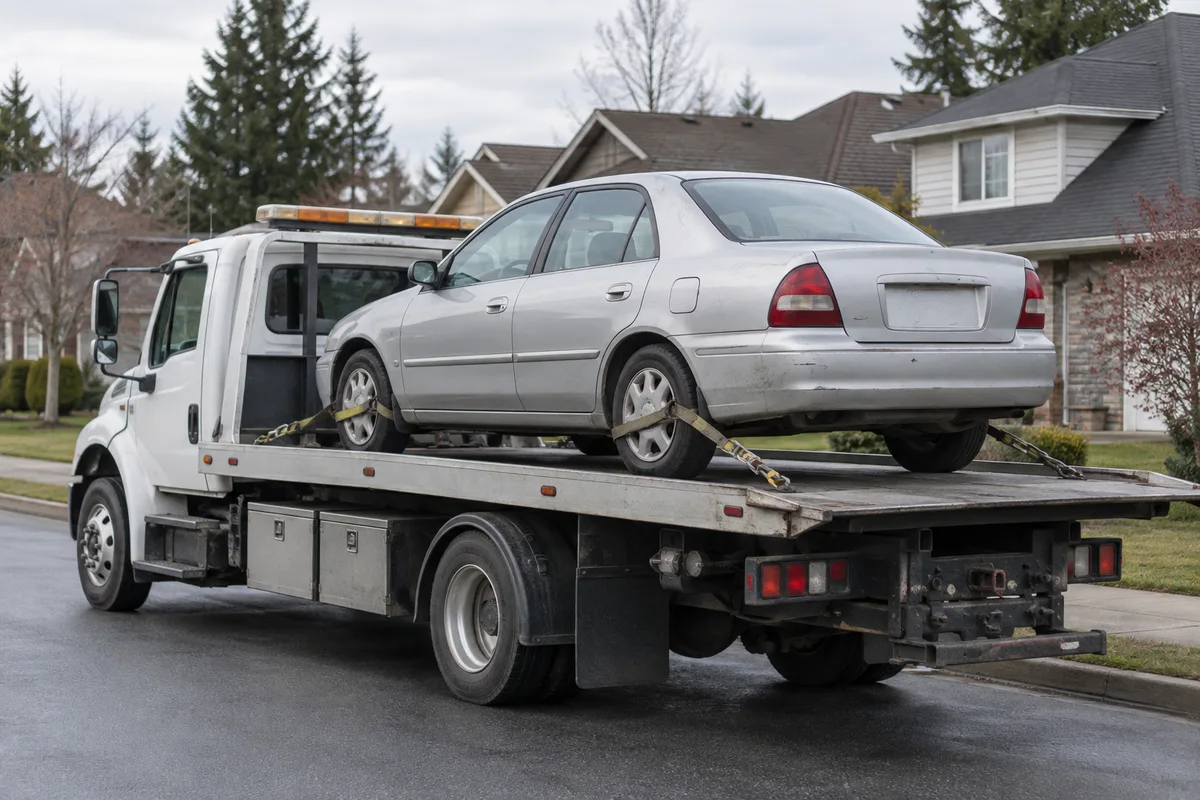
The address and access determine the collection that must be arranged. A car beside an open driveway presents different questions from a car in a low garage with locked steering. Explain these conditions before agreeing to an appointment.
Mention missing wheels, gates, clearance and the condition of the approach. If a repair shop or property manager controls access, arrange the release with that person. A city name is not enough to describe the collection space.
Cash For Cars includes free towing with an accepted purchase. Confirm that the terms discussed cover the actual vehicle and location rather than assuming an earlier description still applies after conditions change.
How do you compare two offers fairly?
Compare the amount you receive, the inspection conditions and the included collection using the same vehicle description. Ask the buyer to explain a revised amount before deciding whether to complete the sale. Do not treat an illustrative range as a confirmed minimum.
Keep a simple comparison record: the amount discussed, the date, the vehicle description, the collection arrangement and anything still subject to inspection. If a component is removed between discussions, update both descriptions before comparing the figures.
Use the free scrap car value calculator when you are ready for an individual assessment. For paperwork and local handover questions, choose the relevant province in our scrapping guide directory.
Your vehicle. Your decision.
Request your vehicle’s offer
Provide your vehicle details and collection location to start your enquiry.