Vehicle selling & recycling
How to Scrap a Car in British Columbia
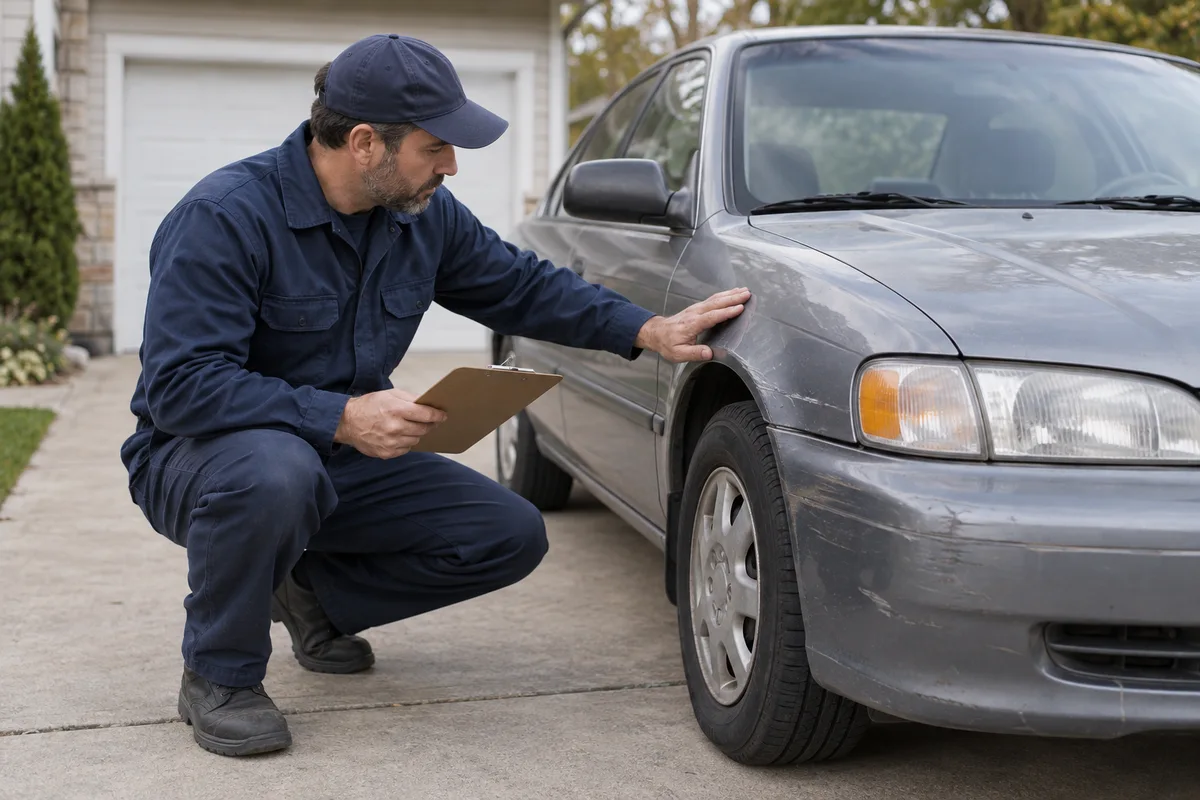
You can prepare a car for scrapping in BC by confirming ownership, collecting the sale documents and agreeing on the vehicle assessment and collection. Check an active insurance claim or a SCRAP-IT application before releasing the car, because those routes have their own conditions.
Which disposal route fits your vehicle?
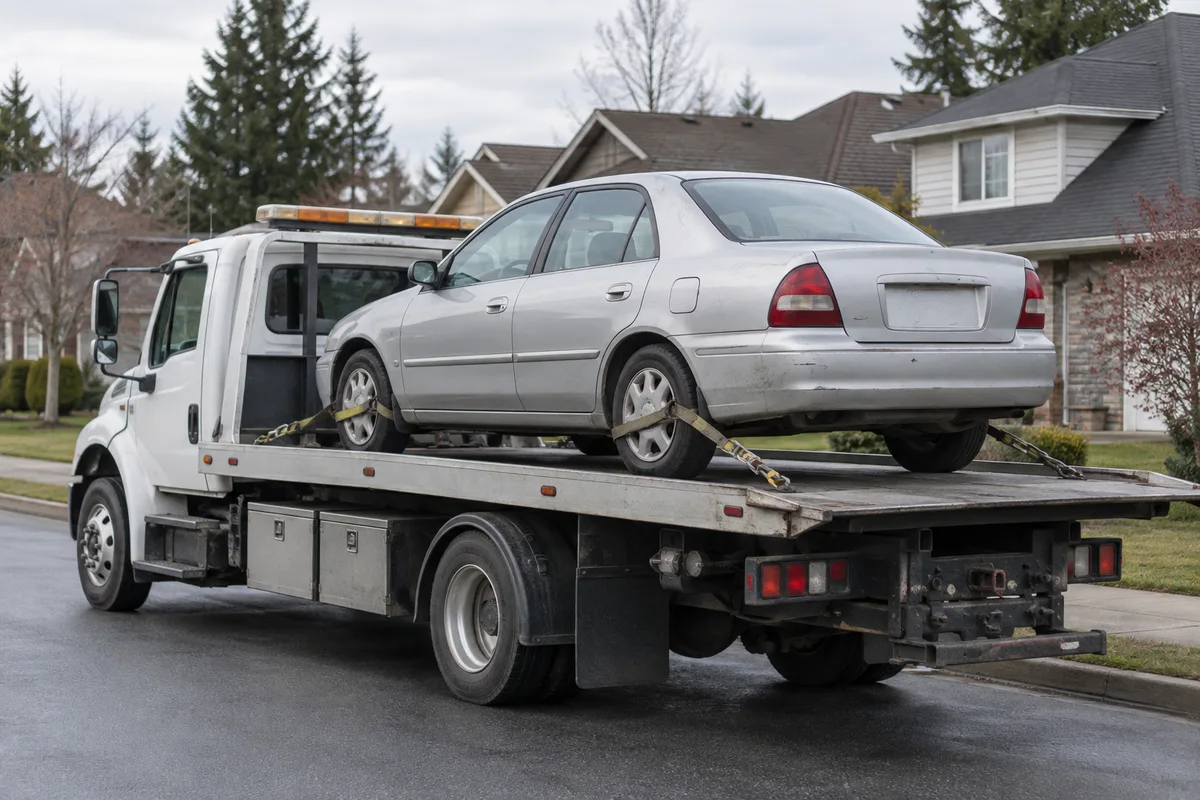
Choose the route before arranging the tow. A private purchase, an insurance settlement and a retirement programme are different transactions. The route determines who receives the vehicle, which records you keep and whether another organization must approve its release.
| Your situation | Your next step |
|---|---|
| You own an unwanted car and want an offer. | Describe its condition and compare the proposed purchase terms. |
| ICBC is handling a claim. | Settle the ownership and release questions with the claim representative first. |
| You want to use SCRAP-IT. | Check the programme’s application and approval instructions before scrapping. |
| The registered owner has died. | Establish who can act for the estate before signing a sale record. |
A running vehicle also deserves a repair-versus-sale comparison. Our old-car disposal options guide explains the alternatives. An old car is not automatically a scrap-only vehicle.
What documents do you prepare for a BC sale?
Keep the Transfer/Tax form signed by the new owner when you sell or give away a car for scrap or parts. ICBC specifically identifies this record for scrap transactions. Contact an Autoplan broker about any plates associated with the vehicle. ICBC’s scrap-and-parts FAQ explains these steps.
For the standard sale route, prepare the documents below. Tell the broker that the car is being acquired for recycling when arranging the transfer.
| Document or item | Who handles it? | What happens next? |
|---|---|---|
| Vehicle registration from APV250 | The registered seller signs the registration portion. | The buyer receives it for the transfer. |
| Transfer/Tax form APV9T | The buyer and seller complete all four pages with original signatures. | Keep your signed copy and take the required documents to the broker. |
| Licence plates | The seller removes the plates. | The broker handles the applicable plate and insurance action. |
ICBC recommends attending the broker together. Its standard sale instructions give the buyer ten days to register the purchase. Complete the actual buyer details and agreed amount before signing; do not hand over blank signed forms. ICBC’s seller checklist explains the full sequence.
What happens if the ownership papers are missing?
Identify whether you lost your own registration or never completed the previous ownership transfer. These situations need different remedies. Give the Autoplan broker the VIN, the registered owner’s name and the records you hold before confirming collection.
| Situation | First action | What must be resolved? |
|---|---|---|
| Your registration paper is lost. | Ask the broker how to replace your registration. | You need the applicable record for your transaction. |
| A previous seller never provided the signed papers. | Explain the purchase history and show the available sale evidence. | The missing ownership chain needs attention before a new sale. |
| The VIN or owner details disagree. | Show the discrepancy to the broker. | The records must identify the correct vehicle and owner. |
Keep old purchase agreements and correspondence available; these help explain the history but are not automatically sufficient transfer documents. Do not alter a VIN or owner entry yourself. Ask the broker which documents are needed, who must sign and whether the transfer can proceed before setting a handover date.
The missing-ownership guide helps distinguish a lost document from an unfinished transfer.
How do you handle a loan or an estate vehicle?
Resolve the finance interest and establish who can sign before releasing the vehicle. A loan and a deceased owner require different checks. Tell the buyer about both at the start rather than expecting the collection driver to resolve them.
BC’s Personal Property Registry records security interests. Ask the lender for the required payout, consent or discharge arrangements. A registry search does not cancel a finance agreement.
For an estate vehicle, use this preparation sequence:
- Check whether the registration names a sole owner, joint owners or tenants in common.
- Identify the estate representative and the intended recipient: the estate, a beneficiary or a purchaser.
- Match that situation to ICBC’s estate checklist and confirm the supporting originals or certified copies with the broker.
- Complete the applicable registration and Transfer/Tax paperwork only after the authorized signatory is established.
ICBC’s checklist treats transfers to the estate differently from transfers to a purchaser. It also requires a jointly owned vehicle to pass to the surviving owner or owners before a subsequent third-party transfer. Use the official estate-transfer checklist, rather than assuming that a death certificate alone covers every case. ICBC’s deceased-owner page explains the broker visit.
Use the lien and lease guide for creditor release and the inherited-car guide for estate authority.
What changes when ICBC has written off the car?
Clarify ownership and claim instructions before seeking an independent sale. An insurer’s settlement and a scrap buyer’s offer are separate amounts. Do not assume that the vehicle remains yours to release after the claim is settled.
Ask the claim representative whether the vehicle is still required for assessment, who owns it after settlement and whether you have an available retention option. Record that answer before agreeing to another collection. Our ICBC write-off guide helps you organize the claim questions.
The vehicle-status guide compares registration labels, while the write-off guide covers claim ownership and release.
How does SCRAP-IT differ from a purchase offer?
SCRAP-IT is a separate programme with its own eligibility and application process. Its rebate is not a guaranteed addition to a vehicle purchase. Check the current terms before choosing where and when to release a car intended for the programme.
The operator currently advertises a cash rebate, but funding and eligibility can change. Use the SCRAP-IT programme policies and our BC SCRAP-IT overview to compare the route. Do not count a programme benefit until its operator confirms that your application qualifies.
What access details help arrange collection in BC?
Provide the actual address and explain how the collection vehicle can reach the car. The city name alone does not describe a steep driveway, gated property, underground space or island location. State whether the car rolls and steers, and whether keys are available.
- Describe the surface where the car is parked and any obstacles around it.
- Explain a height restriction, narrow entrance or locked gate.
- List missing wheels, a removed engine or damage that affects loading.
- Identify an island or ferry-dependent location before agreeing to an appointment.
A damaged electric vehicle needs a specific transport assessment. Transport Canada describes additional concerns for damaged EVs carried aboard ferries. Tell the collector about battery or flood damage; do not attempt to remove a traction battery yourself.
What do you keep after collection?
Keep the completed sale record and finish the registration and insurance actions for your transaction. A tow removes the car from the property; it does not, by itself, complete every administrative step. Retain enough information to identify the buyer and the vehicle.
ICBC’s standard seller guidance directs owners to remove their plates and cancel or transfer insurance. Keep the applicable broker and cancellation records with the sale paperwork. If a later notice arrives, use those records to explain the transaction to the relevant organization rather than assuming the notice will disappear.
For collection enquiries, use the free scrap car value calculator. You receive a phone call or email to discuss the vehicle. An accepted purchase includes free towing and cash on the spot after inspection and agreement. The BC service hub provides city navigation; same-day pickup depends on the address, access and schedule.
Your vehicle. Your decision.
Request your vehicle’s offer
Provide your vehicle details and collection location to start your enquiry.