Vehicle selling & recycling
ICBC Write-Off Process: Questions Before You Release the Vehicle
What does ICBC mean by a write-off?
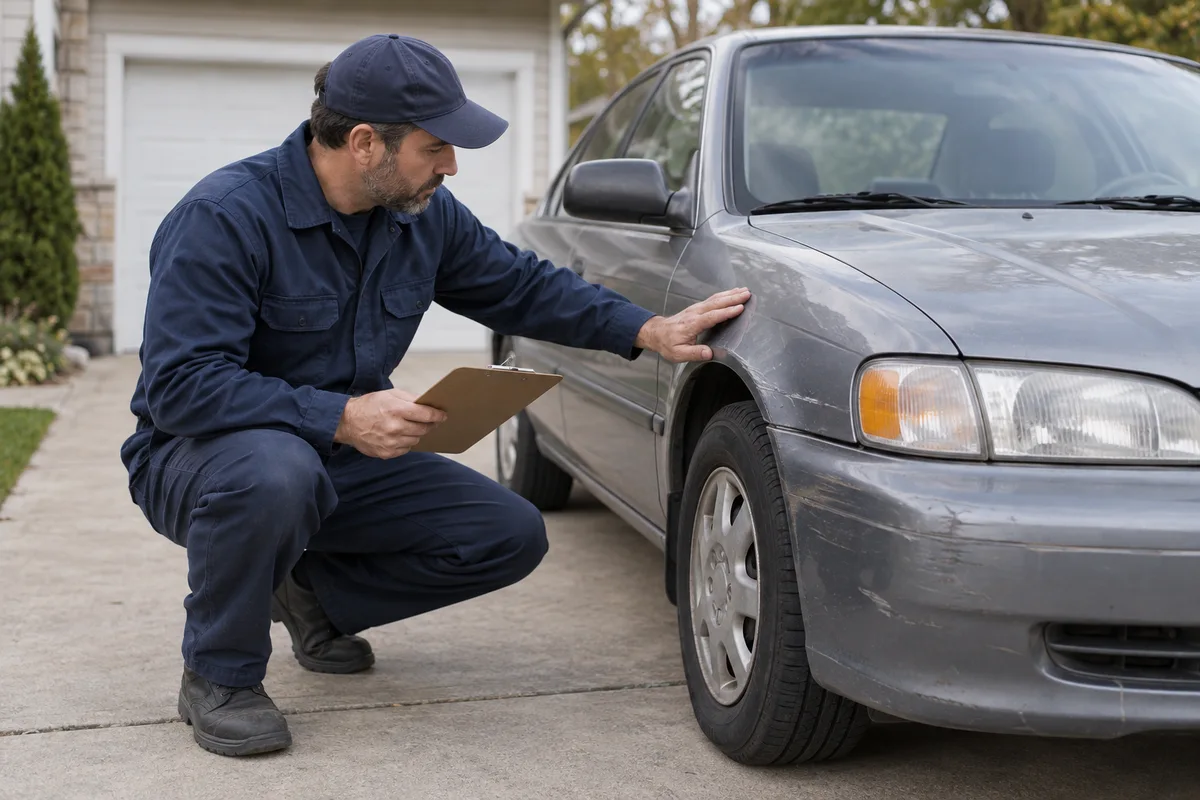
ICBC describes a vehicle as a total loss or write-off when repairs are not economical. Its process includes damage assessment, a repairability decision, belongings and plate collection, payment, and insurance changes. The claim decision is separate from a scrap car buyer’s offer. Read ICBC’s process.
What do you ask about the settlement?
Ask your claim representative to explain the assessment, the settlement basis and any documents you must provide. Request clarification of figures you do not understand. Do not use a hypothetical scrap price from another website as if it establishes the amount payable under your claim.
Keep the claim correspondence and identify the vehicle correctly in every conversation. Ask how an existing finance interest affects the next steps when that applies to your situation.
Can you keep or sell the vehicle after a write-off?
Ask ICBC whether you retain any right to the vehicle and which options are available under the claim. Do not assume that retaining salvage is permitted in every case. Establish ownership and release authority before accepting a separate purchase offer or arranging collection.
Our salvage value guide explains why a remaining vehicle value differs from an insurance settlement. A Cash For Cars enquiry does not change the claim decision.
What do you remove before the vehicle is released?
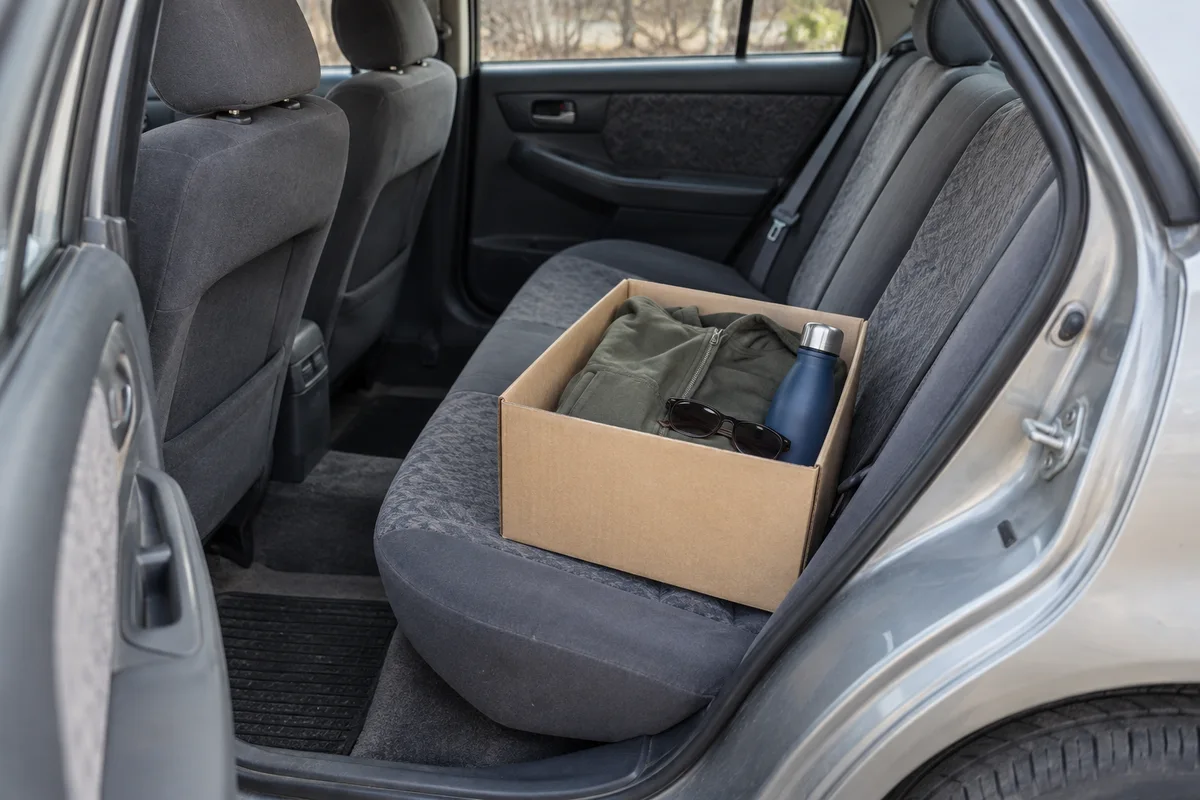
Ask the claim representative how and when to retrieve belongings and deal with the plates. Follow the agreed access arrangements for the vehicle’s storage location. Do not remove components or authorise another collector while the claim or release decision remains unresolved.
When is a separate scrap car enquiry appropriate?
A separate enquiry is appropriate when you have established that you can sell and release the vehicle. You can then describe its condition and location through the free scrap car value calculator. Explain the vehicle’s claim history without treating an enquiry as an agreed purchase.
How do you keep the claim and a possible purchase separate?
Keep a claim timeline before approaching another buyer. Record the repairability decision, any settlement discussion and the instructions about vehicle release. An insurer’s decision that repairs are uneconomical does not itself tell an independent collector who can sell the remaining vehicle.
Ask the claim representative to explain what happens to ownership at each relevant stage. Do not promise the car to another purchaser while assuming that retaining it is automatic. A lender or another registered interest can also require a question to be resolved through the claim process.
What information helps you question a valuation clearly?
Identify the vehicle and the particular point you believe needs clarification. Have the year, model, mileage and relevant records ready, then ask how they relate to the assessment. Avoid replacing that discussion with an invented percentage or an advertised price for a different car.
Keep the response and any requested documents together. Ask ICBC about its applicable review route when an explanation does not resolve the issue. This guide does not set an insurance entitlement or predict the result of a disputed valuation.
How do you plan retrieval of belongings?
Arrange access through the claim contact or the business holding the vehicle. Ask when you can retrieve belongings and how plate collection is being handled. Do not assume a car at a storage facility can be entered at any time.
Make a list of personal items and accessible information you want to remove. Tell the claim representative about anything you cannot access. Do not remove vehicle components as though the car were already released for an independent sale.
What changes after permission for a separate sale is established?
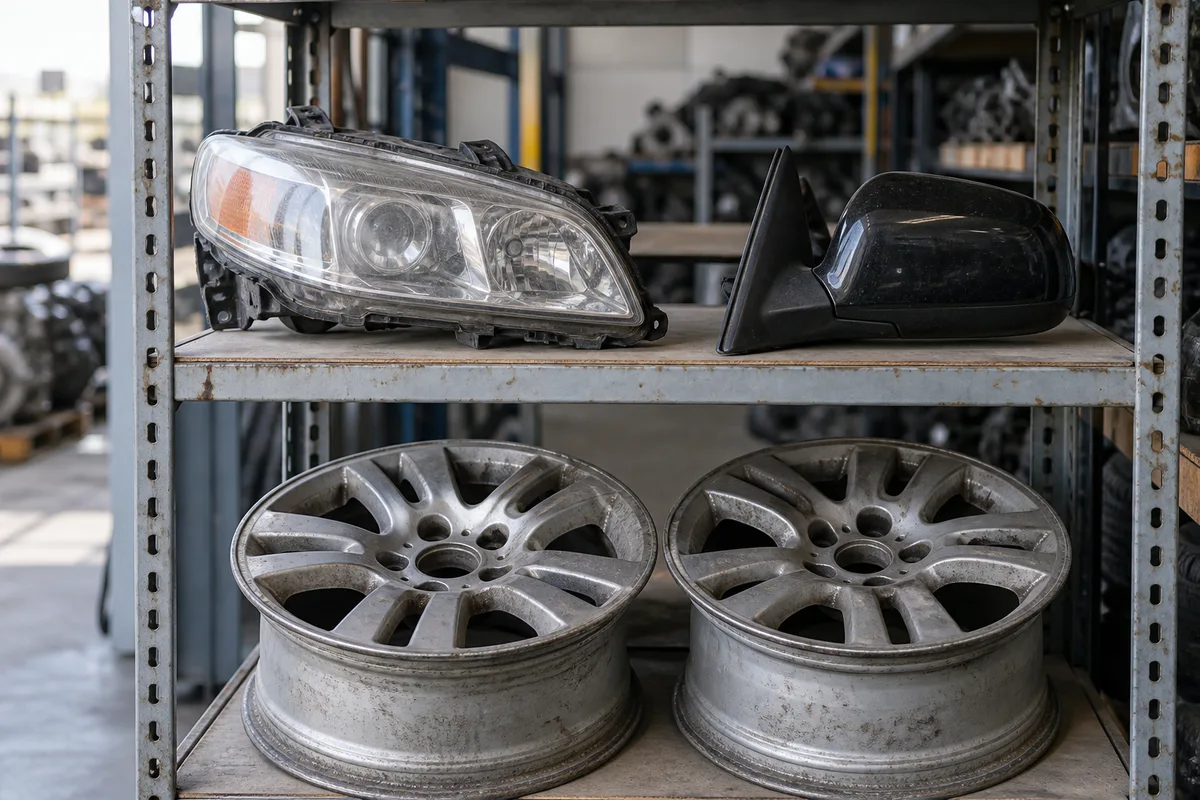
Describe the damaged vehicle as it now exists and confirm its actual location. Include removed parts, mobility limits and release arrangements. A pre-crash description is not an adequate basis for the remaining car’s purchase assessment.
Compare the proposed purchase and collection terms independently of the claim settlement. Keep both records because they describe different transactions. The buyer still needs to inspect and agree the purchase amount before you decide to complete that sale.
Which specialist guide helps with the next decision?
Before comparing an independent sale with a claim settlement, use the insurance write-off checklist to confirm ownership, retention and release.
Your vehicle. Your decision.
Request your vehicle’s offer
Provide your vehicle details and collection location to start your enquiry.