Vehicle selling & recycling
How to Handle an Abandoned Car in Canada
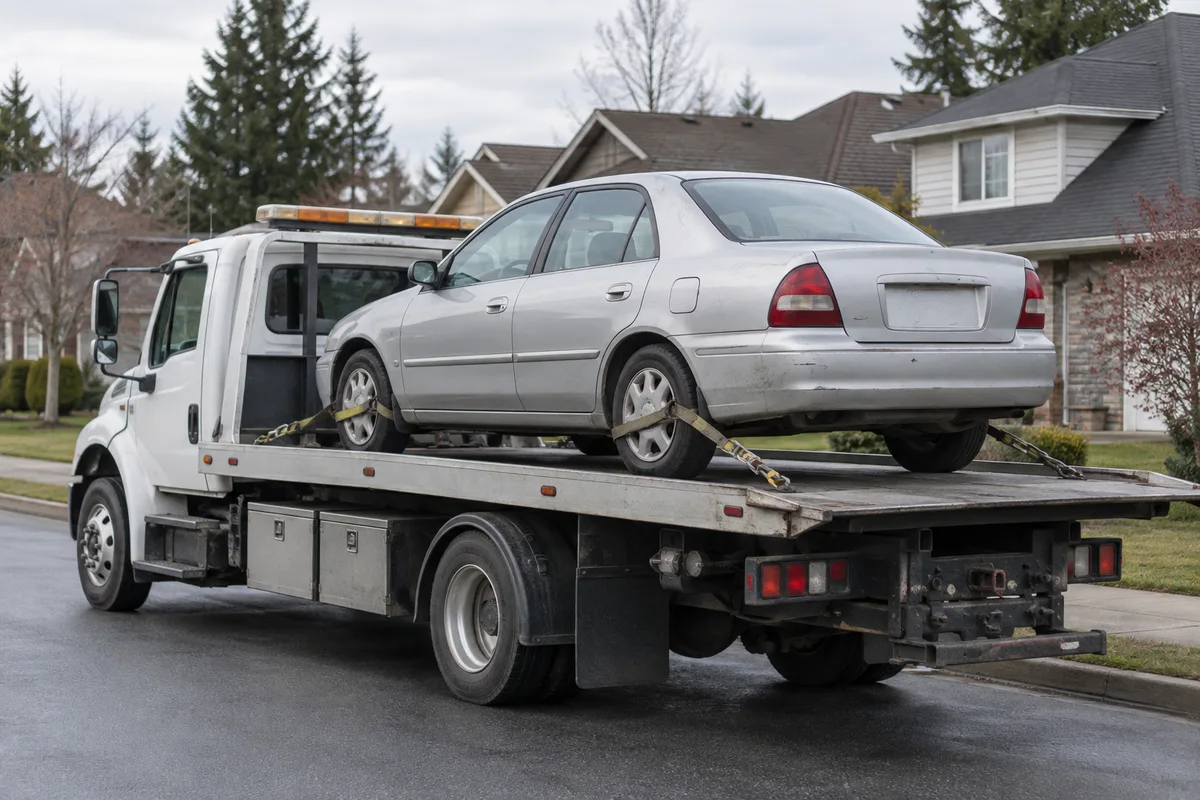
Start by determining whether the vehicle is yours, belongs to someone else or is already in official custody. A car left on a property does not provide enough information to treat it as the property owner’s car to sell. Reporting, authorized towing and ownership transfer are separate tasks.
Is this an unwanted car or an abandoned-vehicle complaint?
Choose the route according to your authority over the vehicle. An owner can prepare an ordinary sale, while a landowner may need a complaint or removal process. A police or impound hold requires the responsible authority’s instructions.
| Situation | Appropriate starting point |
|---|---|
| You own the unwanted car and can document the sale. | Prepare the provincial transfer and collection steps. |
| Someone left a car on your property. | Ask local enforcement about the applicable private-property process. |
| A vehicle appears abandoned on a public road. | Use the municipality or police reporting route for that location. |
| Your vehicle is impounded or under a hold. | Contact the custodian and authority named on the notice. |
| A repair or storage business claims unpaid charges. | Resolve the release or dispute process before arranging another collection. |
Do not assume that a fixed number of days makes a vehicle yours throughout Canada. Local rules and the basis of custody differ.
What should you record before making a report?
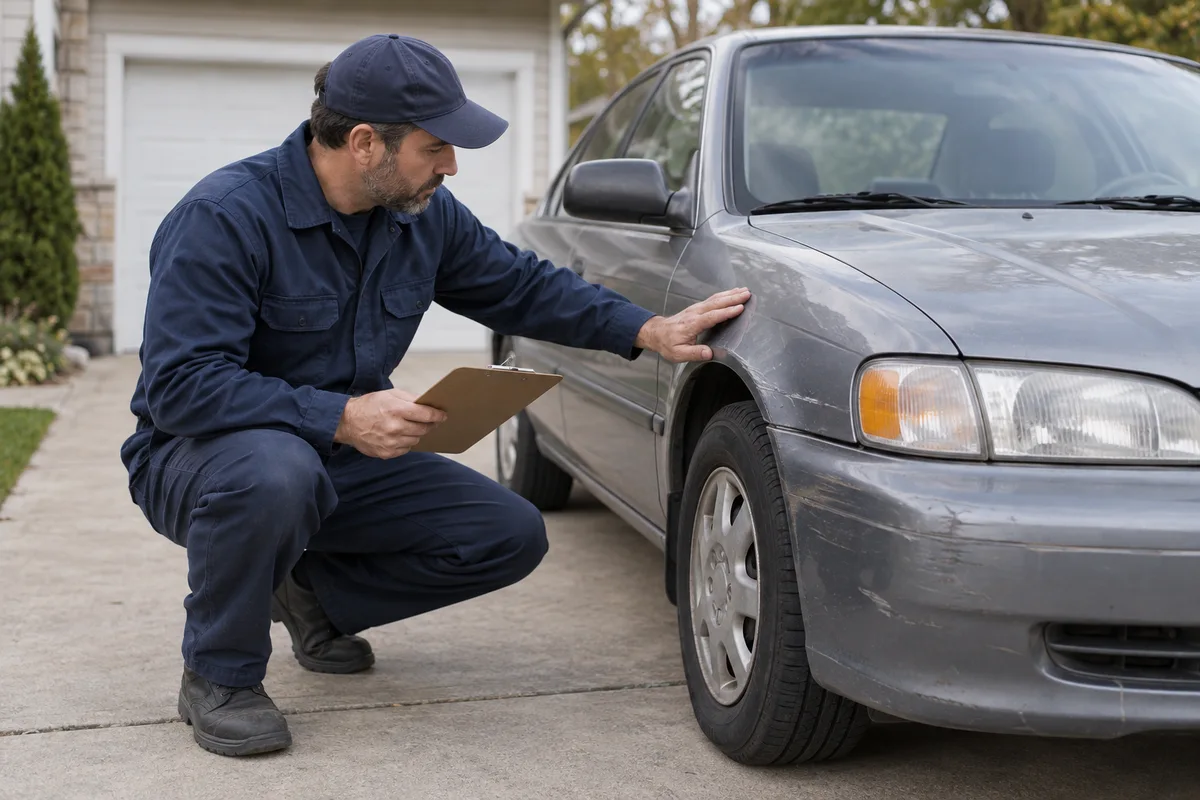
Prepare a factual description that helps the authority locate and identify the car. Record what you can observe safely and distinguish facts from assumptions. Avoid entering the vehicle or removing parts to investigate ownership.
- Record the location and whether it is public or private property.
- Note the visible plate, make, colour and approximate condition.
- Describe how long you have observed it and whether it obstructs access.
- Explain your connection to the property and any known contact with the owner.
- Keep the complaint reference and instructions you receive.
Use emergency services for an immediate danger. For routine reporting, follow the local authority’s current instructions rather than copying a phone number or waiting period from another city.
Which local reporting routes illustrate the differences?
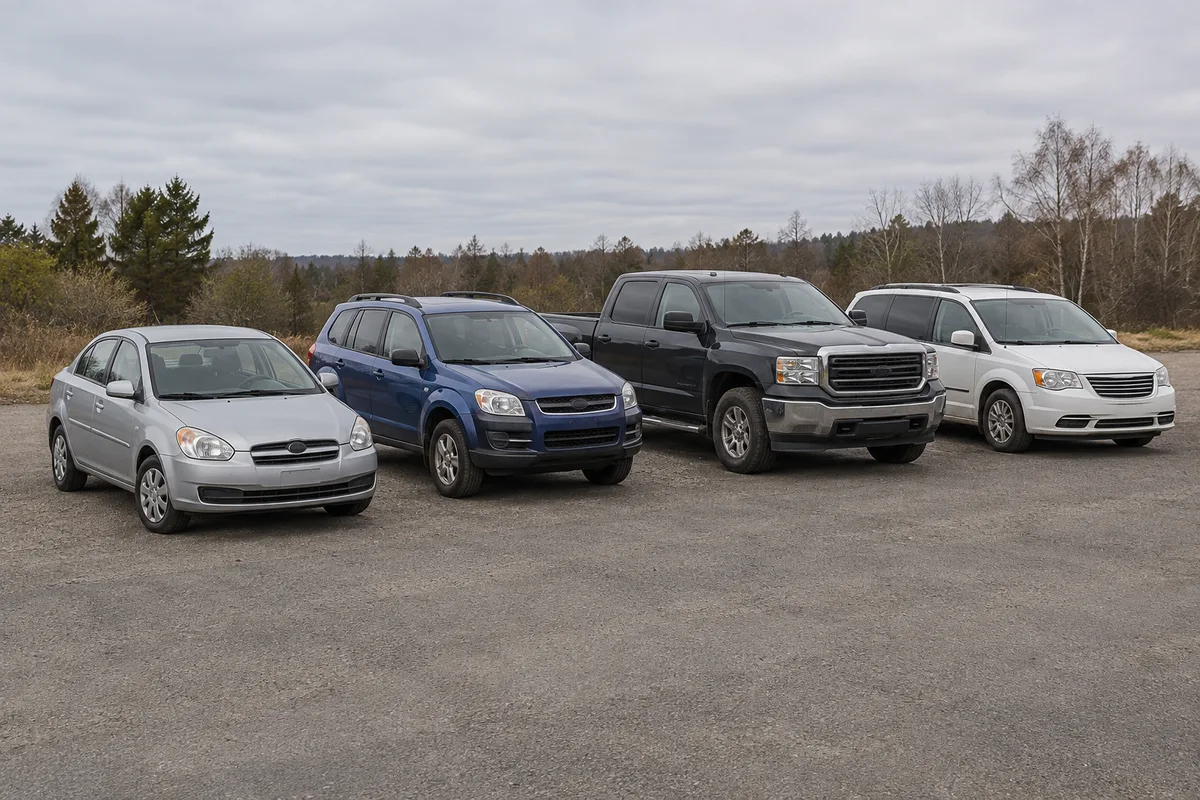
Use the service for the municipality where the car is located. The examples below cover specific cities in five provinces. They are reporting resources, not province-wide authority to tow or sell a vehicle.
| Location | Official resource | Scope |
|---|---|---|
| Vancouver, BC | Abandoned vehicles | Follow the city’s reporting criteria and instructions. |
| Toronto, Ontario | Parking on private or municipal property | Private-property towing has specified conditions; land access alone does not settle the process. |
| Calgary, Alberta | Untidy-property guidance | The city identifies abandoned vehicles within property-maintenance guidance. |
| Saskatoon, Saskatchewan | Property maintenance complaints | Junked vehicles on private property fall within the stated nuisance context. |
| Montréal, Québec | SPVM parking responsibilities | The police page distinguishes reporting responsibilities, including apparently abandoned vehicles. |
For another municipality, contact its bylaw, parking or police service and describe the property type. Ask who may authorize removal, where the vehicle may be taken and what notices or records apply. A complaint number does not establish ownership for a private sale.
Can a property owner sell the vehicle to recover costs?
Do not treat ordinary scrap collection as a shortcut around the applicable ownership or lien process. A claim for storage, rent or repairs raises a different question from a vehicle owner accepting an offer. The authority to remove a car and the authority to sell it must both be established.
Give the relevant authority the custody history, notices and claimed charges. Ask whether a statutory procedure or court involvement is needed before any sale. Avoid guessing a notice period or using a template from another province.
If you are the vehicle owner and another business claims an interest, the lien guide helps organize the release questions. Keep any written resolution with the eventual sale documents.
What changes when the car is impounded?
Complete the custodian’s release requirements before arranging a private pickup. Confirm the hold, authorized recipient, required documents and collection arrangements. A scrap offer does not release the vehicle from custody or cancel storage charges.
In Québec, SAAQ’s discarding instructions identify circumstances that prohibit discarding, including an active impoundment period. Do not use an online disposal action to bypass that restriction.
For Ontario towing or storage concerns, consult the provincial towing-rights guidance and check how it applies to the actual service. Keep the invoice and notices when seeking assistance; a dispute does not automatically authorize another collector to enter the yard.
When is a normal scrap-car enquiry appropriate?
Request a purchase assessment once the authorized seller and release route are clear. Describe the vehicle, its location and any remaining custody issue accurately. If the car belongs to someone else and authority remains unresolved, complete the reporting process first.
Owners with missing records can use the ownership-paper guide. Authorized sellers can use the free calculator to discuss an assessment. Free towing with an accepted purchase does not promise payment of impound charges or a property-enforcement service.
Your vehicle. Your decision.
Request your vehicle’s offer
Provide your vehicle details and collection location to start your enquiry.