Vehicle selling & recycling
How to Scrap a Car in Canada
What are the steps to scrap a car in Canada?
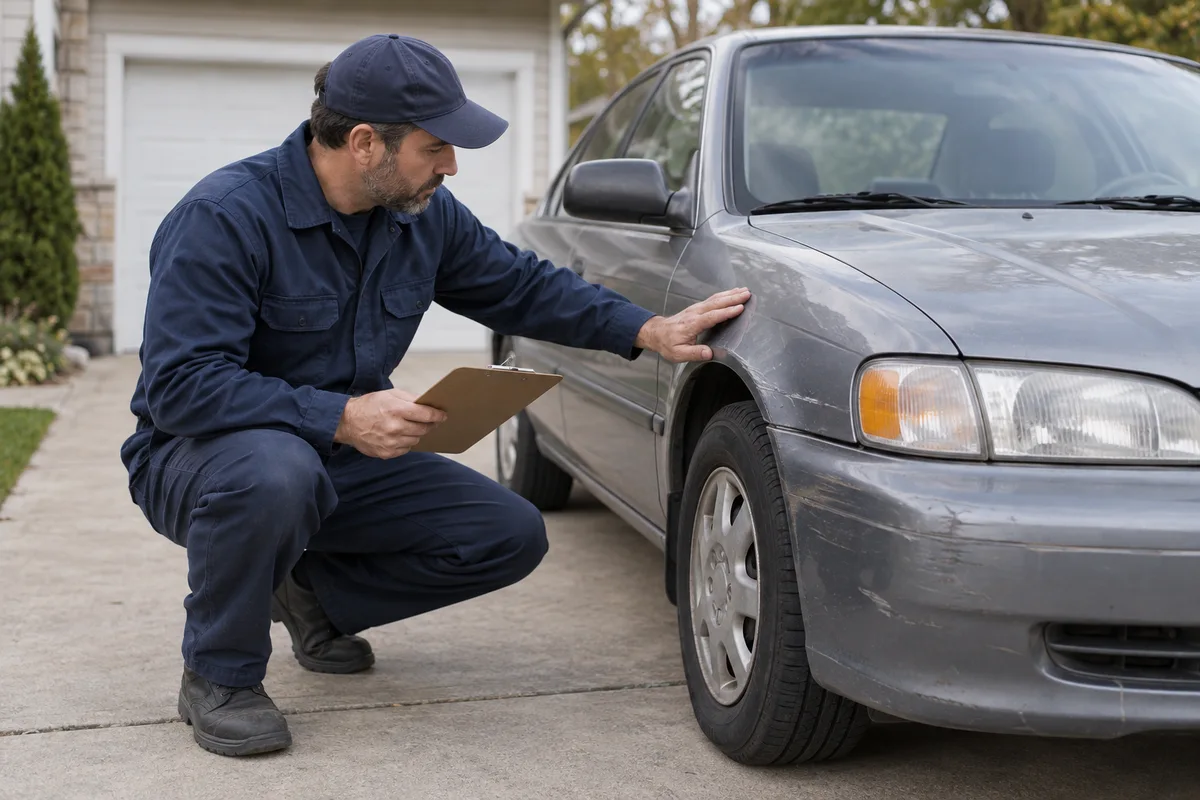
Establish your authority to sell, describe the vehicle, compare offers and agree collection arrangements. Prepare your belongings and documents before handover. Keep the completed sale record and follow the registration and insurance steps that apply to your province and situation.
The process has six practical stages:
- Check who owns the vehicle and can authorise its release.
- Record the year, make, model, condition and location.
- Request written offers that explain collection and payment.
- Choose an offer and arrange an accessible pickup.
- Confirm the inspected condition, amount and sale record at handover.
- Complete the applicable registration and insurance follow-up.
How do you check a buyer before accepting an offer?
Ask who is purchasing the car, how the amount was assessed and what the collection includes. Check the business contact details and ask for written terms. A clear offer identifies conditions that remain subject to inspection instead of concealing them until pickup.
Read recent customer reviews and compare what they say about payment, collection and communication. Ask the buyer to identify the purchasing business and explain the licensing or insurance relevant to its work. Reviews support your checks; they do not replace the written offer.
Compare the amount you would actually receive. An offer that includes towing differs from one requiring you to arrange transport. Ask how missing components or a condition discrepancy would be handled, and keep the response with your enquiry records.
Which documents do you need?
The documents depend on the province, the buyer and your authority to sell. Gather the vehicle registration information and identification you have. Ask the relevant provincial authority about missing records, co-ownership, an estate, a company vehicle or any other situation that changes the normal process.
Use the guidance that matches the vehicle’s circumstances:
- Read how to scrap a car in British Columbia.
- Read how to scrap a car in Ontario.
- Check the paperwork starting points for Alberta, Saskatchewan or Quebec.
An unresolved insurance claim or finance agreement can affect your ability to release the vehicle. Resolve that issue with the organisation concerned before treating a pickup appointment as authorisation to sell.
How do you prepare the car for pickup?
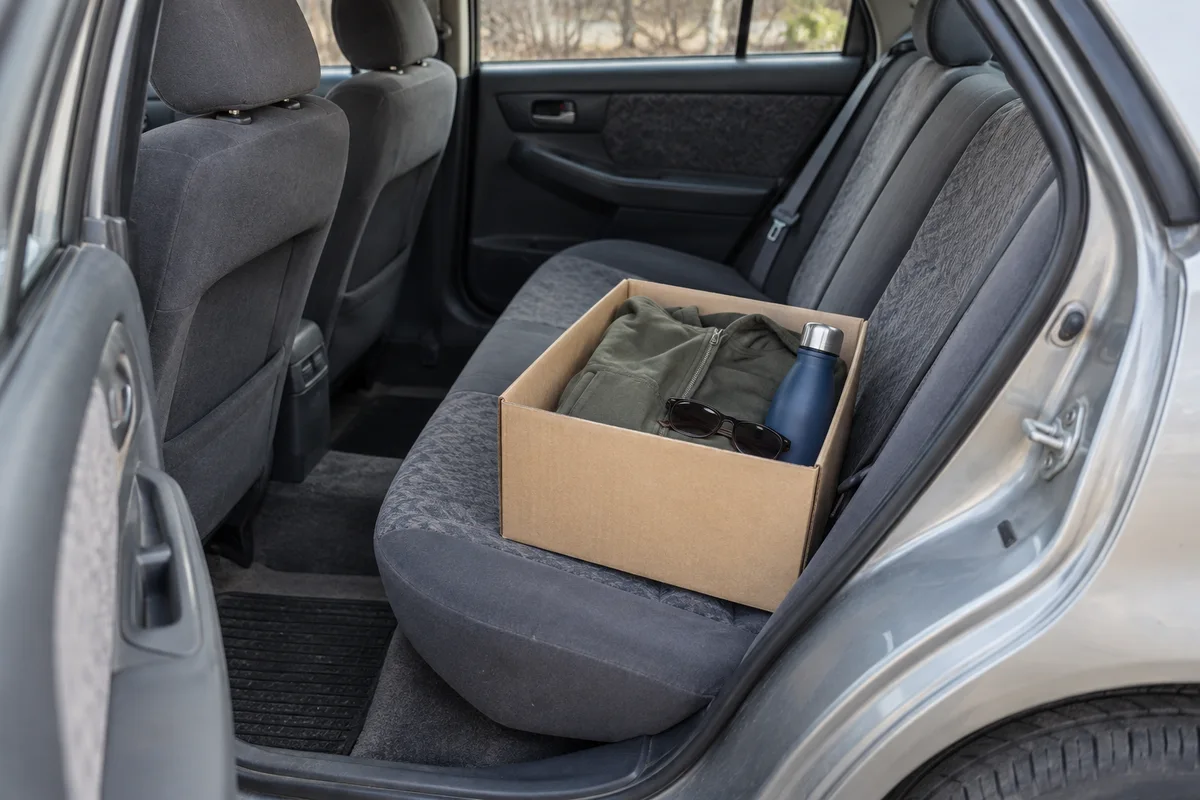
Remove belongings, organise documents and explain access to the vehicle. Keep the car in its agreed condition and disclose any changes before the visit. You do not have to drain fluids or dismantle components to prepare an ordinary collection enquiry.
Check the trunk, glove compartment, seat pockets and storage compartments. Remove parking passes and disconnect personal devices or saved accounts where you can safely do so. Our ten-step preparation checklist provides a fuller walk-through.
What do you check at handover?
Check the vehicle identification, buyer details, confirmed amount and payment before completing the handover. Read the sale document before signing it and keep a copy. Ask for an explanation if the inspected condition changes the proposed amount; decide whether to proceed before releasing the vehicle.
Cash For Cars pays cash on the spot when an inspected vehicle is purchased for the accepted amount. Free towing is included with that purchase. These service terms do not remove the need to complete the relevant provincial steps.
What do you do after the car is collected?
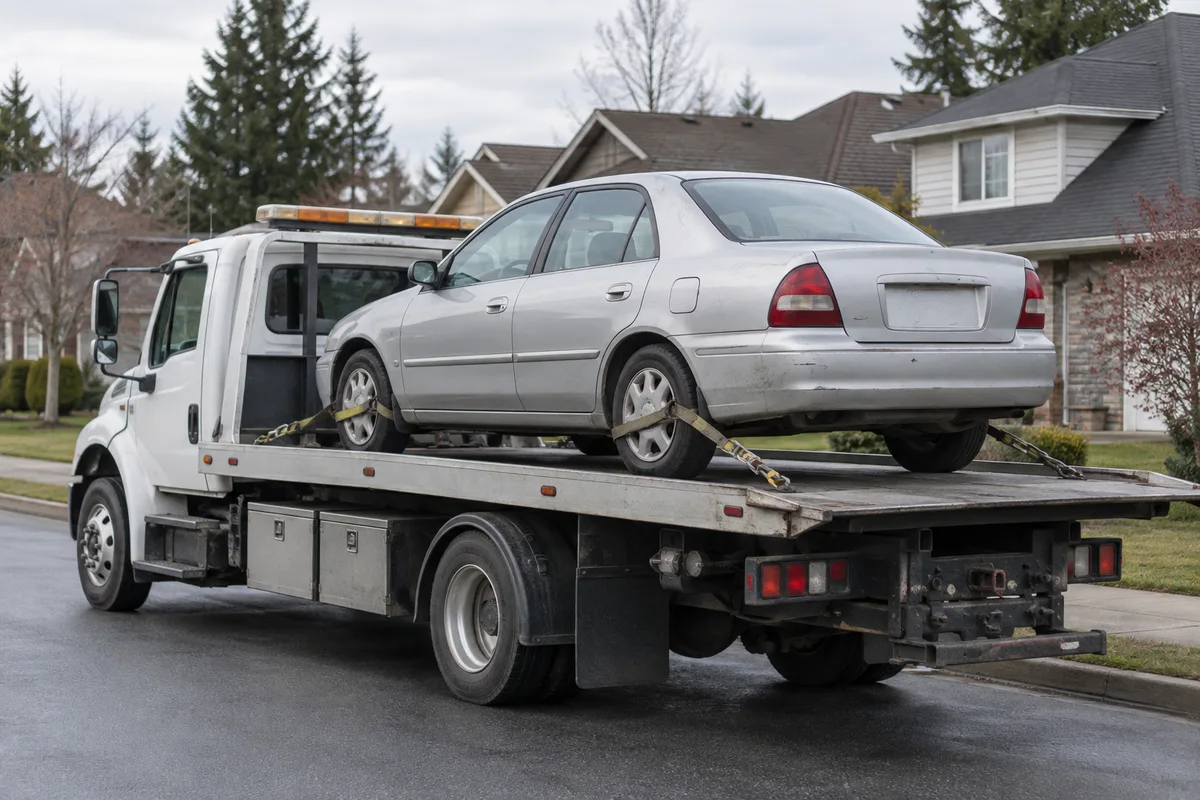
Keep the sale record and complete any required registration and insurance actions for your circumstances. Tell your insurer what happened and ask when a policy change should take effect. Do not assume that physical collection automatically changes a vehicle registration record or cancels insurance.
Read whether to tell your insurer when you scrap a car for the questions to ask. If you are ready to compare an offer, use the free scrap car value calculator.
Where can you find the detailed provincial steps?
Choose the local guide before completing the ownership and plate actions. Each province has its own records and transaction rules. Explain a different registration jurisdiction, an active claim or missing ownership paperwork before assuming that an ordinary local sale checklist applies.
- Follow the British Columbia scrapping guide for ICBC and SCRAP-IT questions.
- Follow the Ontario scrapping guide for permit, UVIP and branding questions.
- Follow the Alberta scrapping guide for bill-of-sale and registration follow-up.
- Follow the Saskatchewan scrapping guide for ownership records and SGI questions.
- Follow the Quebec scrapping guide for SAAQ discarding and dealer-recycler transactions.
What do you do when a problem appears after collection?
Identify the unresolved transaction step and collect the records before asking for a correction. Physical removal, payment, ownership recording and insurance changes are separate events. A collection message is useful evidence of an appointment, but it does not prove that every later step occurred.
| Problem | What you prepare | What you do next |
|---|---|---|
| The purchase record is missing. | Gather the buyer’s name, VIN, collection date, agreed amount and messages. | Ask the buyer for the completed record and check it against the transaction. |
| The amount paid differs from the agreement. | Keep the original offer, inspection explanation, final agreement and payment evidence. | Ask the buyer to explain the discrepancy in writing; seek the appropriate dispute route if it remains unresolved. |
| A notice arrives after the sale. | Keep the notice, its deadline and your sale and collection records. | Contact the notice issuer promptly and ask how to provide the evidence. Do not assume pickup cancels the notice. |
| The registration record appears incomplete. | Gather the signed sale documents and any authority or transaction confirmation. | Ask the registration authority which action remains outstanding and who must perform it. |
| Insurance charges continue unexpectedly. | Keep the insurer correspondence and the requested effective date. | Ask the insurer to confirm what change was requested, whether it was completed and what happens to any remaining charge. |
| The car was not collected. | Retain the appointment messages and actual parking or storage deadline. | Reconfirm arrangements or consider another buyer before making a new commitment; an unfulfilled appointment is not a completed sale. |
For the registration question, use the appropriate BC, Ontario, Alberta, Saskatchewan or Québec guide. Those guides identify the provincial authority and explain the records. In Québec, check whether the business supplied a receipt or a dealer-recycler’s attestation before treating an unchanged ownership name as proof of an error.
Keep your correction request factual: identify the vehicle and transaction, describe the missing or inconsistent record, and state the correction you are requesting. Retain the reply with the sale documents. The payment-fraud guidance explains the separate response when a payment request or message appears fraudulent.
What changes when the car, owner and buyer are in different provinces?
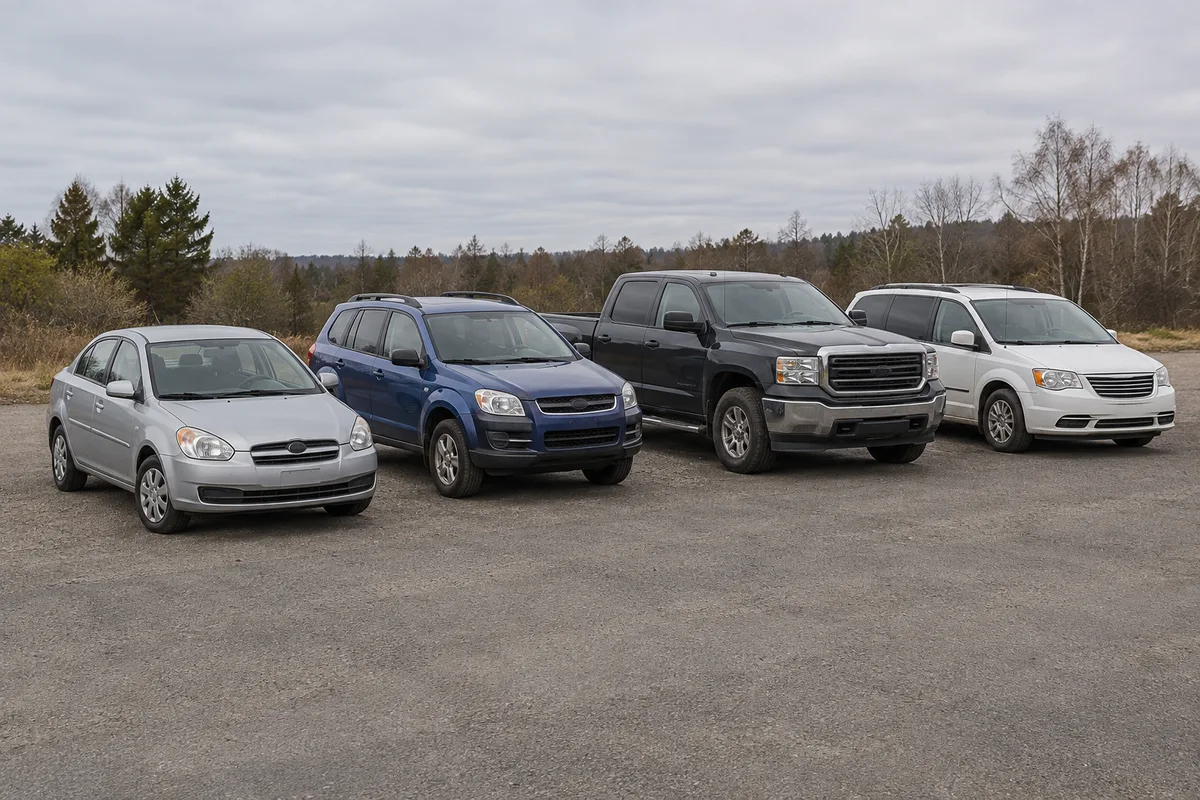
Identify the registration jurisdiction, physical pickup location and buyer’s intended transaction separately. A nearby city across a boundary is not a substitute for the vehicle’s record. Establish the document route before arranging transport or signing a form for the wrong jurisdiction.
- Read the jurisdiction and owner information on the records you hold. Explain a missing record or incomplete earlier transfer first.
- Give the actual collection address and confirm who can provide property access there.
- Tell the buyer where the vehicle is registered and ask whether the purchase is for recycling, resale or another intended use.
- Ask the issuing registration authority which seller documents, signatures and plate actions apply to that transaction. Ask the buyer to confirm its destination-side obligations separately.
- Confirm transport for the vehicle’s actual condition. Do not assume that instructions for registering a vehicle for road use require you to make a scrap vehicle roadworthy before collection.
- Retain the completed purchase record and the relevant registration and insurance confirmations.
For example, an Ottawa owner may be arranging collection of a vehicle parked in Gatineau. The Gatineau address describes access and scheduling; the registration record determines which document question must be resolved. This is a planning example, not a statement that Ontario and Québec procedures are interchangeable.
The document navigator uses registration province for this reason. Its other-or-uncertain option directs you to resolve the record rather than applying one of the five provincial workflows automatically. CRA also explains that vehicle tax treatment can depend on the transaction and delivery circumstances. CRA motor-vehicle tax guidance
Does the seller collect tax on a scrap-car sale?
Separate the seller’s collection obligation from a buyer’s possible tax obligation. A private individual selling a personal vehicle and a business selling a business asset can have different responsibilities. Calling the car “scrap” does not establish a blanket tax exemption.
CRA states that GST/HST generally does not apply to a private sale of a specified motor vehicle by a person who is not a GST/HST registrant. That statement does not settle provincial sales tax, business-use treatment or every dismantling transaction. CRA’s private-sale explanation
| Situation | What the official guidance establishes | What you still confirm |
|---|---|---|
| An Ontario private used-vehicle purchase follows the ordinary registration route. | Ontario identifies the buyer as the person paying applicable sales tax on registration. | Confirm the actual purchaser and any applicable transaction exemption; do not deduct an assumed buyer tax from your offer. |
| A Québec individual who is not registered for GST/QST sells a road vehicle. | Revenu Québec says that the individual does not collect GST/QST; its guidance describes QST collection from the purchaser through SAAQ on registration. | Confirm how the actual recycler or resale transaction is treated rather than assuming every purchase follows ordinary registration. |
| A business or GST/HST registrant sells a vehicle. | The private non-registrant example does not determine that seller’s obligations. | Confirm the vehicle’s business use, seller status, invoice treatment and applicable taxes with the tax authority or accountant. |
The provincial examples come from Ontario’s used-vehicle instructions and Revenu Québec’s seller guidance. Revenu Québec separately identifies GST collection for a registered individual selling a vehicle used exclusively, meaning 90% or more, in commercial activities.
Ask for the agreed purchase amount and any tax or deduction to be identified separately in the record. This section explains roles; it does not calculate tax, resolve income-tax treatment or certify an exemption for BC, Alberta, Saskatchewan or an interprovincial sale. Do not use a worksheet amount as a tax determination.
Your vehicle. Your decision.
Request your vehicle’s offer
Provide your vehicle details and collection location to start your enquiry.