Vehicle selling & recycling
10 Things to Do Before Scrapping Your Car in Canada
What do you prepare before a scrap car collection?
Prepare your ownership information, vehicle description, personal belongings and collection access before the appointment. Confirm the offer and keep the handover arrangements in writing where possible. The following ten checks help you organise the sale without dismantling the car or assuming that paperwork happens automatically.
1. Check your authority to sell
Confirm who owns the vehicle and who must authorise the sale. Resolve uncertainty involving co-owners, a company, an estate, finance or an insurance claim before agreeing that the vehicle can be released.
2. Gather the vehicle documents
Locate the registration information and other records you have. Tell the buyer about missing documents early. Follow the Canadian scrapping guide to find the provincial starting point for your situation.
3. Record the current condition
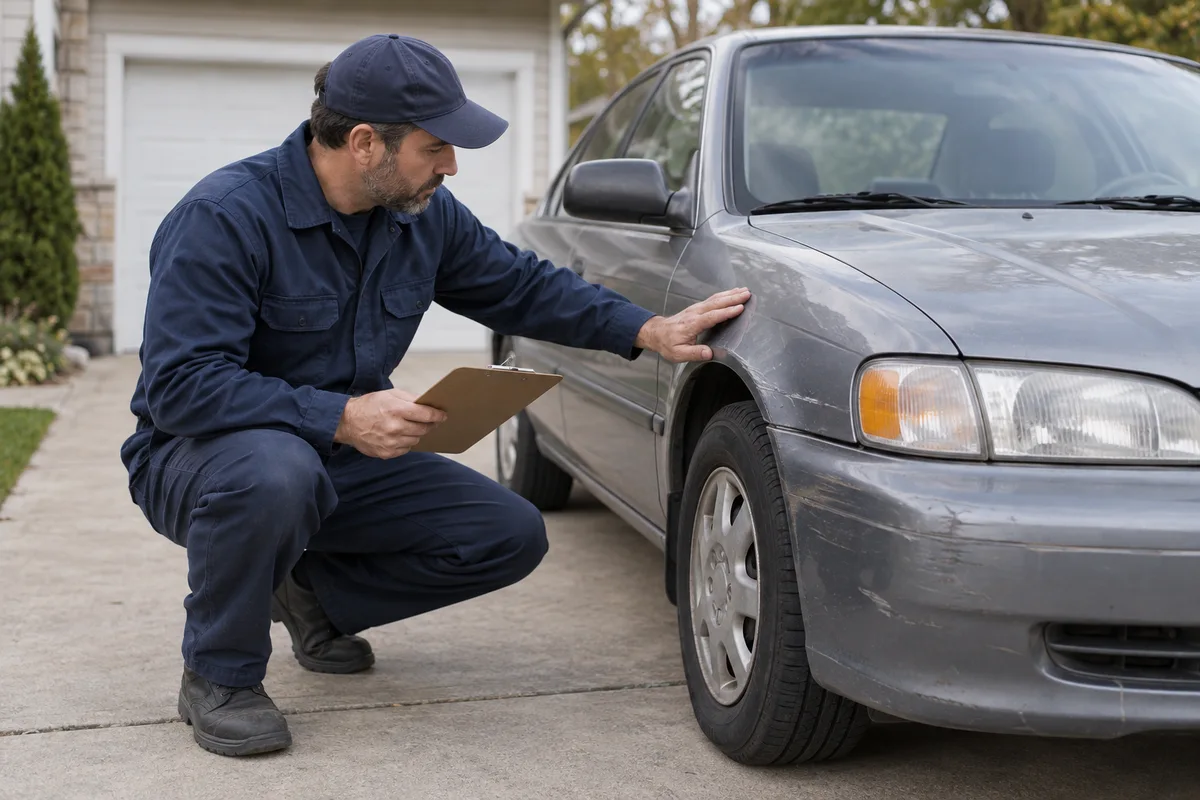
Note the year, make, model, mileage and known faults. State whether the vehicle starts, rolls and steers. List major missing parts so that the offer is based on the car that will actually be collected.
4. Confirm the offer conditions
Ask what the amount includes and what remains subject to inspection. Confirm towing and payment arrangements. Keep the same description when comparing buyers, and do not treat an illustrative price range as a confirmed offer.
5. Remove your personal belongings
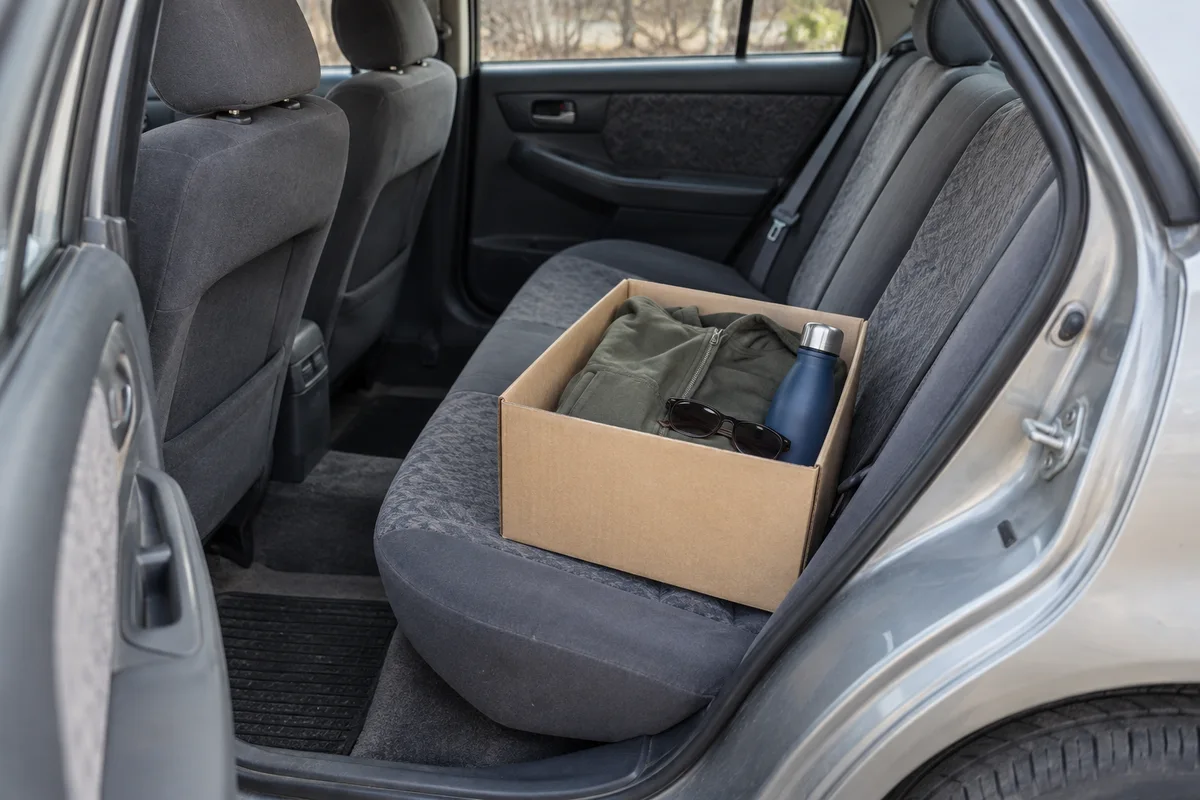
Check the glove compartment, trunk, under-seat spaces and door pockets. Remove child seats, chargers, sunglasses and documents. Separate items you own from vehicle components included in the agreed sale.
6. Clear personal information where accessible
Delete saved addresses and paired devices from the vehicle’s system if you can access it safely. Remove toll tags and parking passes. Check the relevant account provider’s process for disconnecting a vehicle or device.
7. Plan the plate and insurance steps
Check your province’s plate instructions and speak with your insurer about the sale. Ask when any policy change should take effect. Do not assume that the tow truck visit completes those actions on your behalf.
8. Explain the collection access
Give the exact address and describe gates, garage clearance and obstructions. Explain locked wheels or steering, missing keys and any alarm or immobiliser issue that could affect access. If the vehicle is at a workshop or storage site, agree access with the person who controls that property.
9. Keep the agreed vehicle intact
Tell the buyer before removing any component included in the assessment. Do not drain fluids or handle high-voltage parts to prepare for collection. Ask about loose parts separately so that their inclusion is clear.
10. Prepare to keep a sale record
Check the buyer details, vehicle identification, amount and date before signing. Keep a copy of the completed record and any follow-up registration confirmation. Review the confirmed amount before agreeing to release the vehicle.
Keep this with your sale records
Your vehicle handover checklist
Use these checks before, during and after collection. Tick an item only after completing it or confirming how it applies. The checklist does not replace provincial forms or prove that an ownership transfer is complete.
Start with the provincial document navigator for the records and exceptions that fit your vehicle. Your ticks stay on this page and are not saved after you leave or reload.
Questions to resolve before release:
Cash For Cars · Vehicle handover checklist
Province guidance: https://www.cashforacar.ca/guides/#document-navigator
How do you request an offer after preparing the details?
Use the free scrap car value calculator to send the year, make, model, condition and postal code. You receive a call or email to discuss an offer. Our collection process explains inspection, acceptance, cash payment and free towing.
What do you do if the vehicle cannot power on?
Explain that the car cannot power on instead of forcing access to its systems. You may be unable to read the odometer or clear saved information through the screen. Tell the buyer which details remain unknown and consult the manufacturer or account provider for available account-removal steps.
Remove accessible personal items and physical tags without dismantling the vehicle. Do not assume that deleting a paired phone also closes a connected service account. Keep your login information private; a vehicle sale does not require giving the buyer your personal account password.
Which provincial checklist do you use for the paperwork?
Use the instructions for the vehicle’s actual registration and transaction. The physical collection location and the registration jurisdiction can differ. Tell the buyer about that difference before applying a local checklist or assuming that the same plate instruction applies everywhere.
Choose the BC guide, Ontario guide, Alberta guide, Saskatchewan guide or Quebec guide for the relevant starting point. Each guide separates the vehicle sale from the administrative follow-up.
Your vehicle. Your decision.
Request your vehicle’s offer
Provide your vehicle details and collection location to start your enquiry.