Vehicle selling & recycling
How to Scrap a Car in Ontario
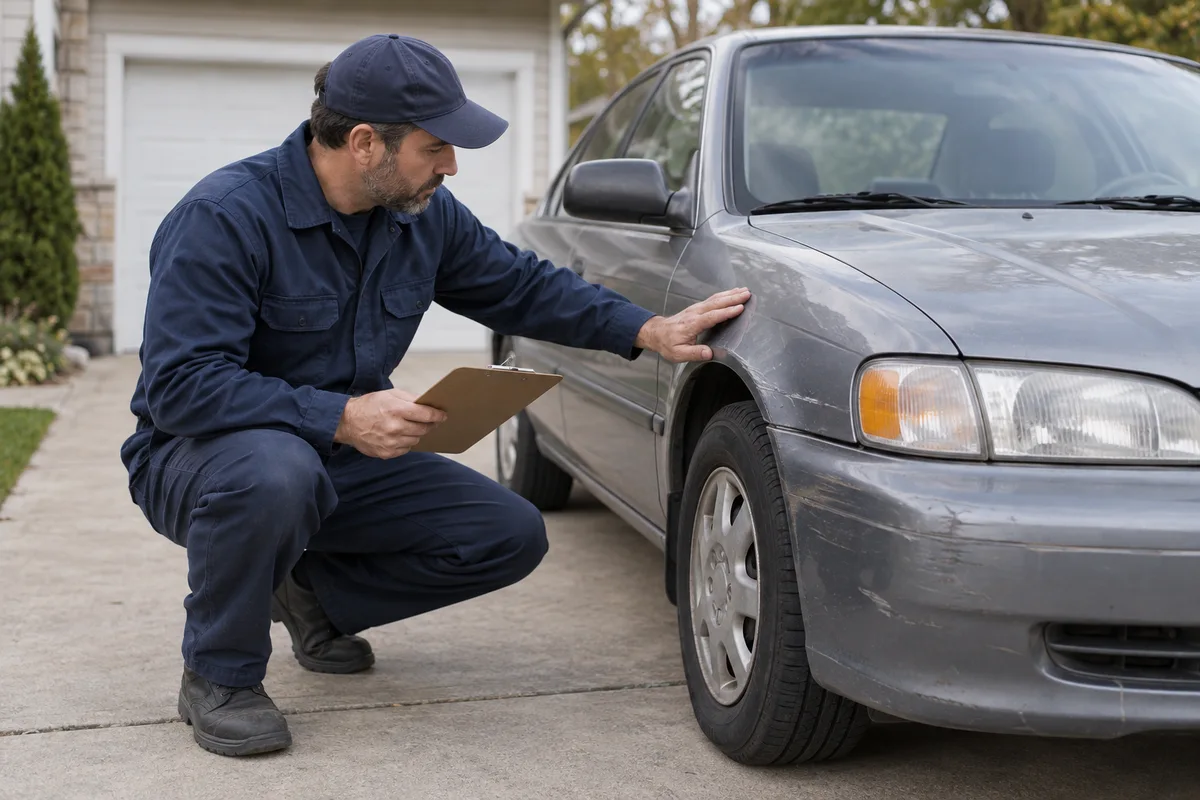
Scrapping a car in Ontario involves a vehicle assessment, an agreed purchase and the correct ownership paperwork. Start by matching the VIN to the permit and identifying the buyer’s transaction type. A private used-car sale and a transfer to a qualifying business do not necessarily use identical requirements.
What do you check before requesting collection?
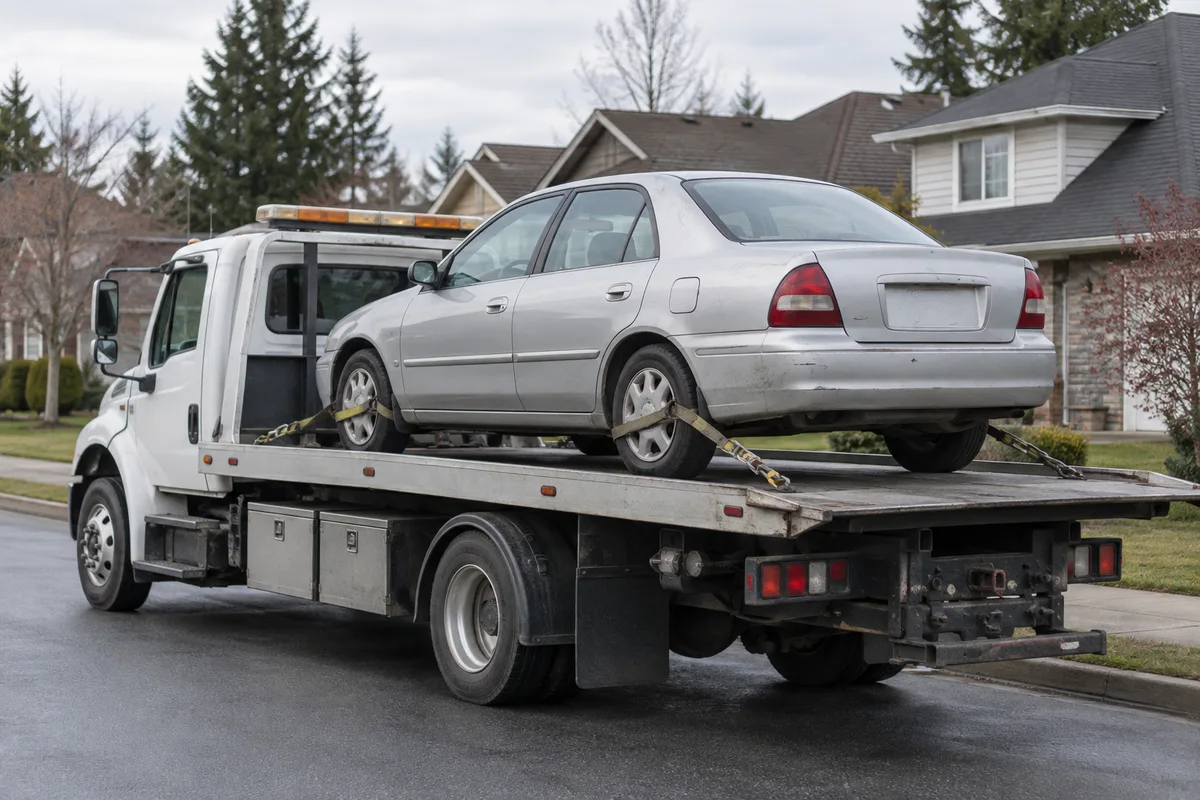
Confirm ownership, describe the car and identify anything that affects its release. A missing permit, loan, active insurance claim or estate transaction needs attention before handover. An accurate enquiry lets the assessment and paperwork follow the vehicle’s actual circumstances.
Prepare the year, make, model, pickup postal code and known condition. State whether the car starts, rolls and steers. Explain missing components and provide useful photos if requested. You do not need to estimate the recoverable metal weight yourself.
Use the free scrap car value calculator to request an assessment. Its examples illustrate assumptions; they do not establish the offer for your car or book a collection appointment.
Which documents does a standard Ontario sale use?
Prepare the completed vehicle portion of the permit and a signed bill of sale, then check which additional requirements apply. The buyer’s registration duties are separate from the seller’s handover tasks. Identify the transaction before treating the standard checklist as a recycling checklist.
| Record or item | Seller’s action | Buyer’s next step |
|---|---|---|
| Vehicle portion of the permit | Complete and sign the Application for Transfer. | Use the completed portion for the ownership transaction. |
| Bill of sale | Record the actual sale and keep a signed copy. | Retain the purchase evidence. |
| Used Vehicle Information Package (UVIP) | Provide it when required; check the exceptions below. | Use it for registration when applicable. |
| Plates and plate portion of the permit | Retain these items. | Do not rely on the seller’s plates for road use. |
Ontario’s standard buyer registration deadline is six days. A Safety Standards Certificate applies where required; it is not an unconditional document for every recycling collection. Ontario’s sale checklist explains these roles.
Before handover, compare the VIN on the car with the permit and sale record. Check the purchaser’s identity, date and agreed amount. Keep the collection confirmation with your signed copies so the paperwork identifies the actual transaction.
Does every scrap transaction need a UVIP?
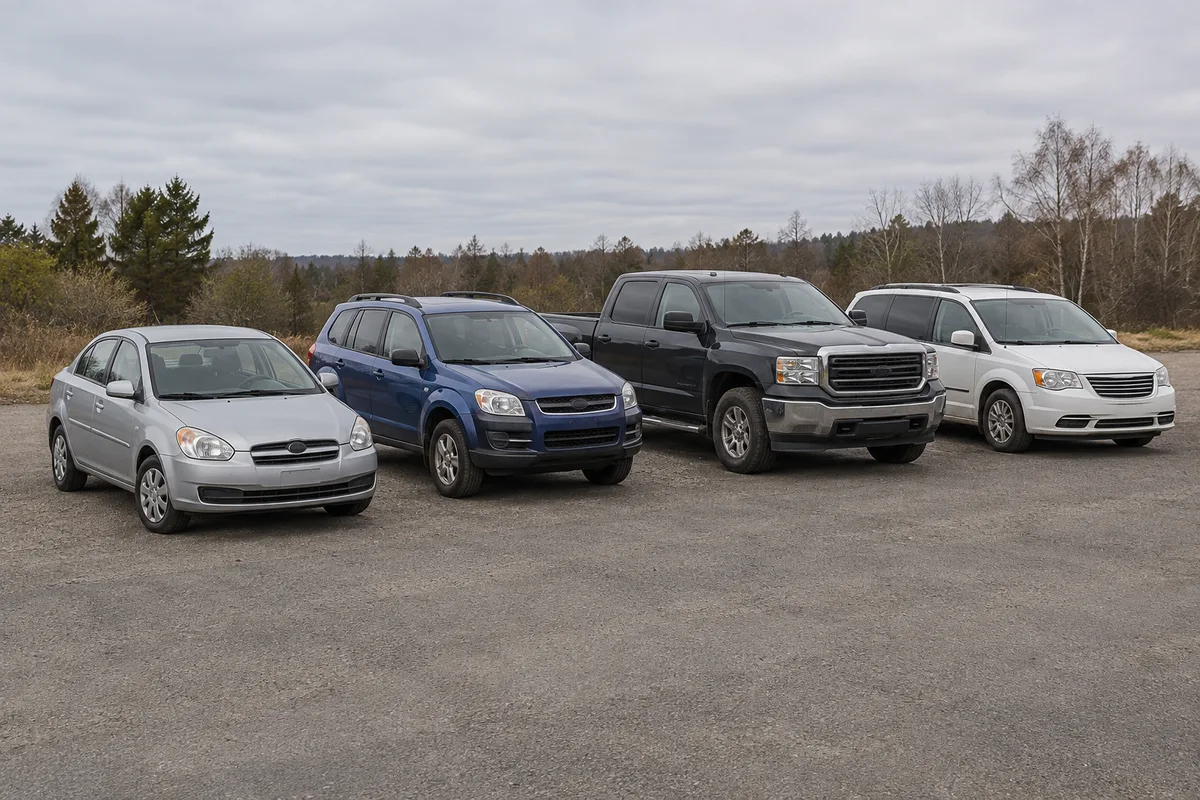
Ontario’s regulation exempts specific transactions, including a qualifying transfer for wrecking or dismantling, from the UVIP requirement. The exemption depends on the recipient and purpose. Calling a vehicle “scrap” does not establish that the buyer meets the condition.
| Transaction | UVIP decision |
|---|---|
| You sell for wrecking or dismantling to a Ministry Class C licence holder. | Sections 2(18) and 3(18) provide seller and recipient exemptions. |
| You sell to a registered motor vehicle dealer other than a broker. | Sections 2(10.1) and 3(10) identify this exempt recipient category. |
| You transfer a stolen or wrecked vehicle to an insurer following policy payment. | Sections 2(8) and 3(8) address this insurance transaction. |
| The buyer’s category is unclear. | Confirm the applicable rule with ServiceOntario before omitting the UVIP. |
These conditions come from Ontario Regulation 601/93. Ask for the buyer’s legal name and the licence or registration category being relied on. Do not equate a general business licence with the Class C condition.
When a UVIP is required, follow the official ordering instructions. Keep the original package intact. A UVIP exemption does not establish authority to sell someone else’s vehicle or replace the applicable transfer record.
How do you replace a missing ownership permit?
Use ServiceOntario’s replacement-permit route if your permit is lost or damaged. A replacement document addresses a missing record; it does not resolve a disputed owner or an incomplete earlier transfer. Explain the ownership history accurately when you request help.
Ontario’s vehicle permit guidance explains the replacement process and identity requirements. Have your identification and the vehicle’s VIN or plate information available. Use the current official instructions rather than paying for a document through an unfamiliar website.
If the permit has an incorrect name or vehicle detail, use the permit correction process. Do not edit the printed information yourself. Tell the prospective buyer that the record is being corrected before setting a handover date.
The missing-ownership guide helps distinguish a lost document from an unfinished transfer.
What if the car has finance or belongs to an estate?
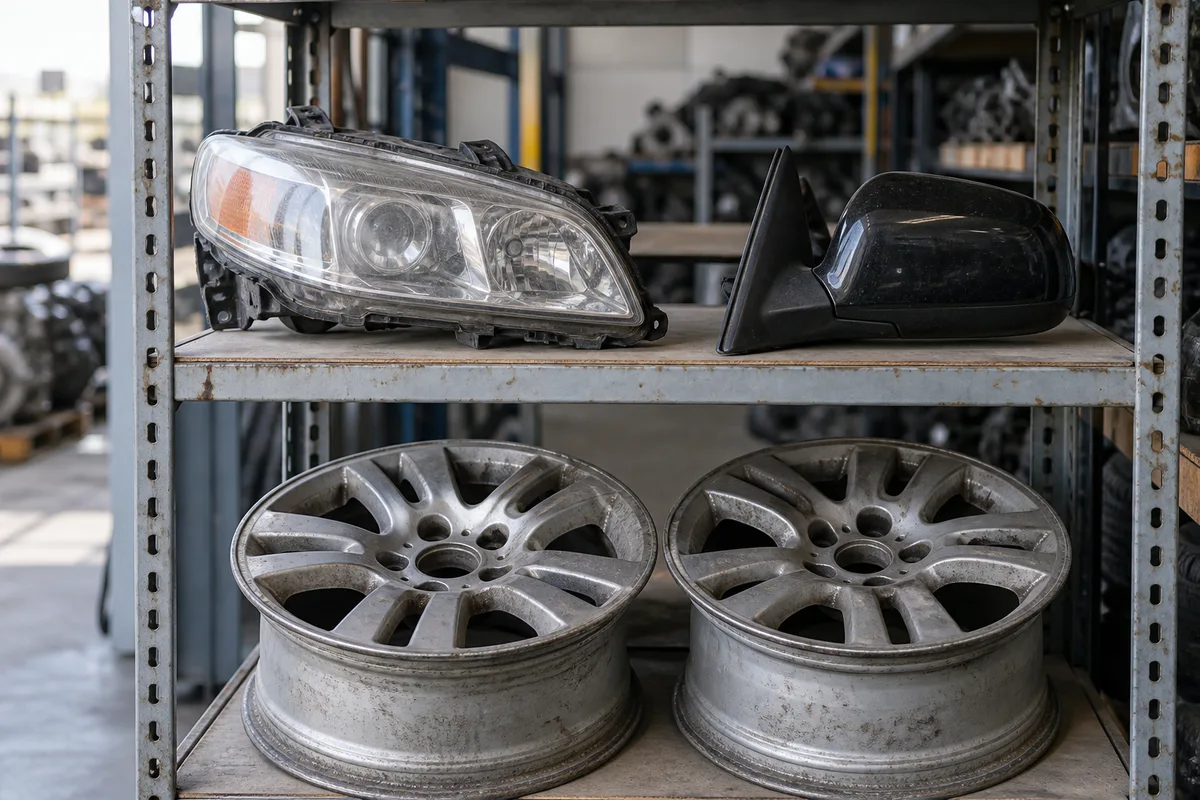
Resolve the authority to transfer the car before agreeing to its release. Finance, joint ownership and an estate are different issues. Each can affect who signs or what documentation supports the transaction, even when the vehicle is no longer roadworthy.
Check any finance interest and contact the lender about the proposed sale. Ask what payout, consent or discharge is required. A low vehicle value does not make an existing obligation disappear.
For an estate, identify the estate trustee and explain whether the car will pass to a beneficiary or be sold to a third party. Ontario’s estate-bequest tax guidance describes evidence for a beneficiary’s tax exemption. It is not a universal checklist for every estate sale. Confirm the third-party transfer documents with ServiceOntario before collection.
Use the lien and lease guide for creditor release and the inherited-car guide for estate authority.
Does salvage or irreparable status change the process?
A vehicle’s brand affects its permitted future use; it does not fix its sale price. Tell the buyer about a known salvage, rebuilt or irreparable designation. Do not describe all insurance write-offs as identical or promise that every damaged car can return to the road.
Ontario’s mandatory branding programme distinguishes the statuses. A salvage vehicle requires the applicable structural process before becoming rebuilt. An irreparable vehicle cannot return to road use in Ontario. These road-use rules should not be confused with a request to collect a car for recycling.
An active claim creates another question: who controls the vehicle’s release? Confirm this with the insurer before an independent sale. The salvage-value explanation explains why a financial valuation and a legal brand are different concepts.
The vehicle-status guide compares registration labels, while the write-off guide covers claim ownership and release.
How do you prepare an Ontario pickup address?
Describe the parking space as well as the vehicle. A driveway, underground garage and repair-shop yard can require different collection arrangements. Give the actual address and explain access before you rely on a proposed time.
For an apartment or condominium space, identify gates, clearance and any arrangements needed to access the car. For a rural property, explain the driveway surface and where the vehicle sits. For a repair-shop location, agree who can release the vehicle and resolve any outstanding storage or repair issue with the relevant parties.
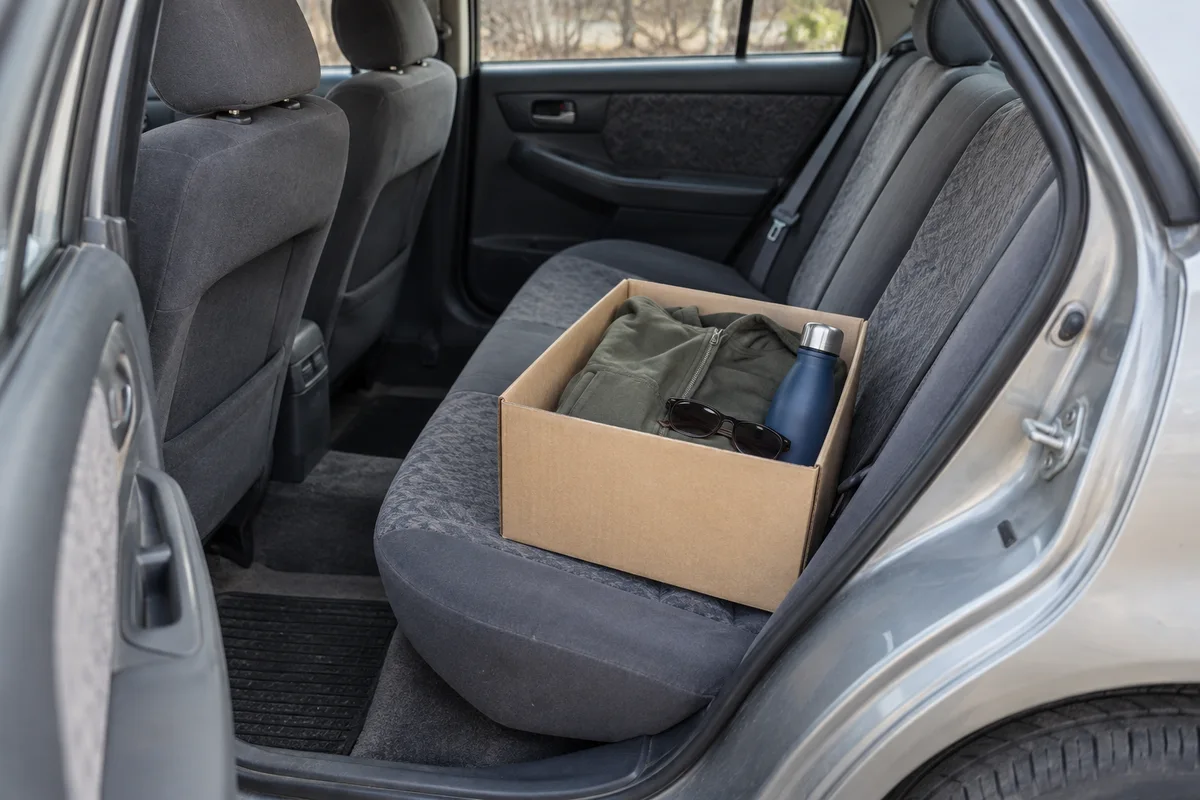
Remove your belongings, toll tags and accessible personal information before handover. Keep documents that belong in your own records. Our pre-scrapping checklist covers preparation in more detail.
How do you compare Ontario price examples with an offer?
Compare actual offers using the same description and included collection terms. An illustration explains how assumptions affect a result. It does not establish a provincial minimum, a model-specific guarantee or the amount a buyer will pay after inspecting the car.
The Ontario scrap-price guide and vehicle value factors explain the distinction. Ask whether an offer remains subject to inspection, what changes could affect it and what amount you receive with collection included.
What happens at handover and afterwards?
Review the inspection result and agreed amount before completing the sale. Cash For Cars includes cash on the spot and free towing with an accepted purchase. Same-day pickup is often available, subject to the specific address, access and schedule.
Keep the completed sale and collection records, retain your plates under Ontario’s seller instructions and arrange the appropriate insurance follow-up. Ask your insurer about cancellation or transfer rather than assuming that the vehicle’s removal cancels a policy.
If a later notice identifies the sold vehicle, refer to the VIN, buyer, date and supporting records when contacting the issuing organization. The Ontario service hub links to city collection information and the relevant next steps.
Your vehicle. Your decision.
Request your vehicle’s offer
Provide your vehicle details and collection location to start your enquiry.