Vehicle selling & recycling
What Is a Junk Car, Scrap Car or Decrepit Car?
What is a junk car?
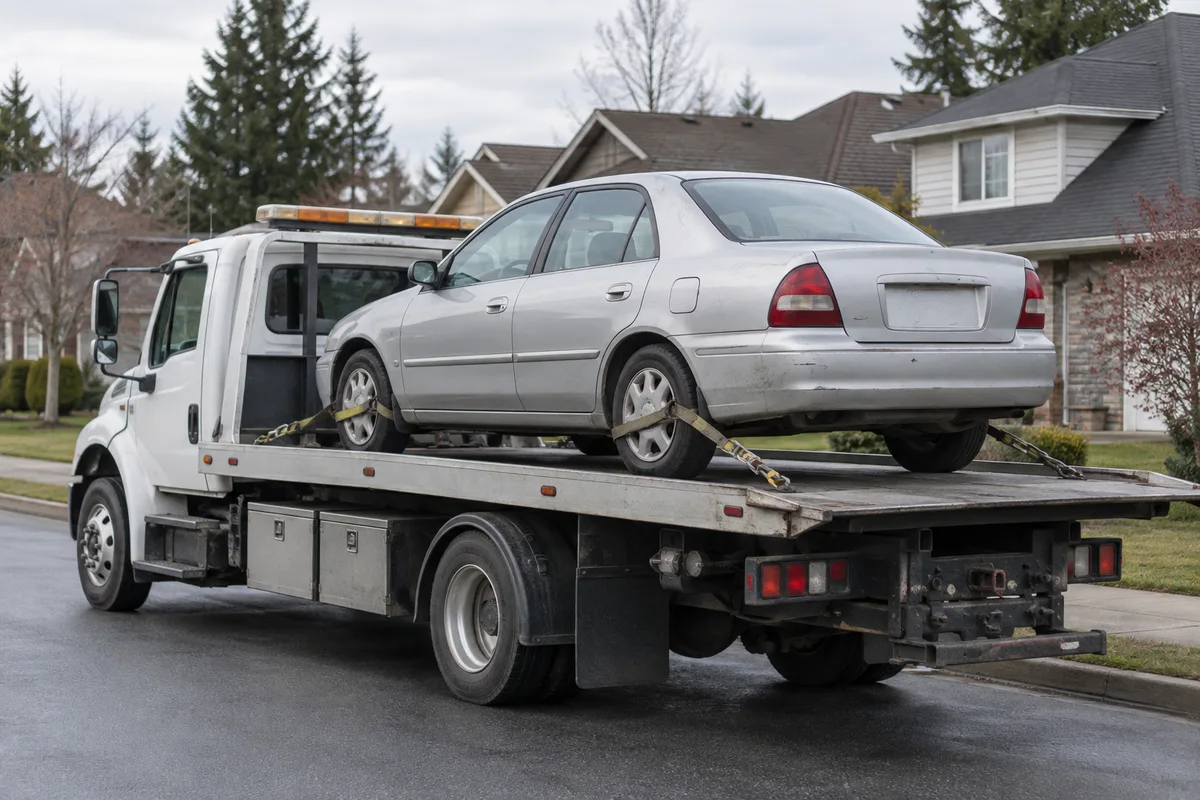
A junk car is an informal name for a vehicle its owner regards as unwanted, unusable or impractical to keep. The expression does not establish that every component is worthless. A buyer still needs a description of the car’s condition and what remains intact.
A car with a failed engine and a car with extensive body damage can both be described as junk. Their different faults matter to an assessment even when the owner uses the same word.
What is a scrap car?
A scrap car is a vehicle being considered for disposal through parts recovery or material recycling. Some components may remain useful, depending on condition. The description does not mean that the whole vehicle receives one uniform metal rate or that its entire weight is recoverable metal.
The junk car versus scrap car comparison explains the overlap between these terms and the information a purchase enquiry requires.
What does decrepit mean when describing a car?
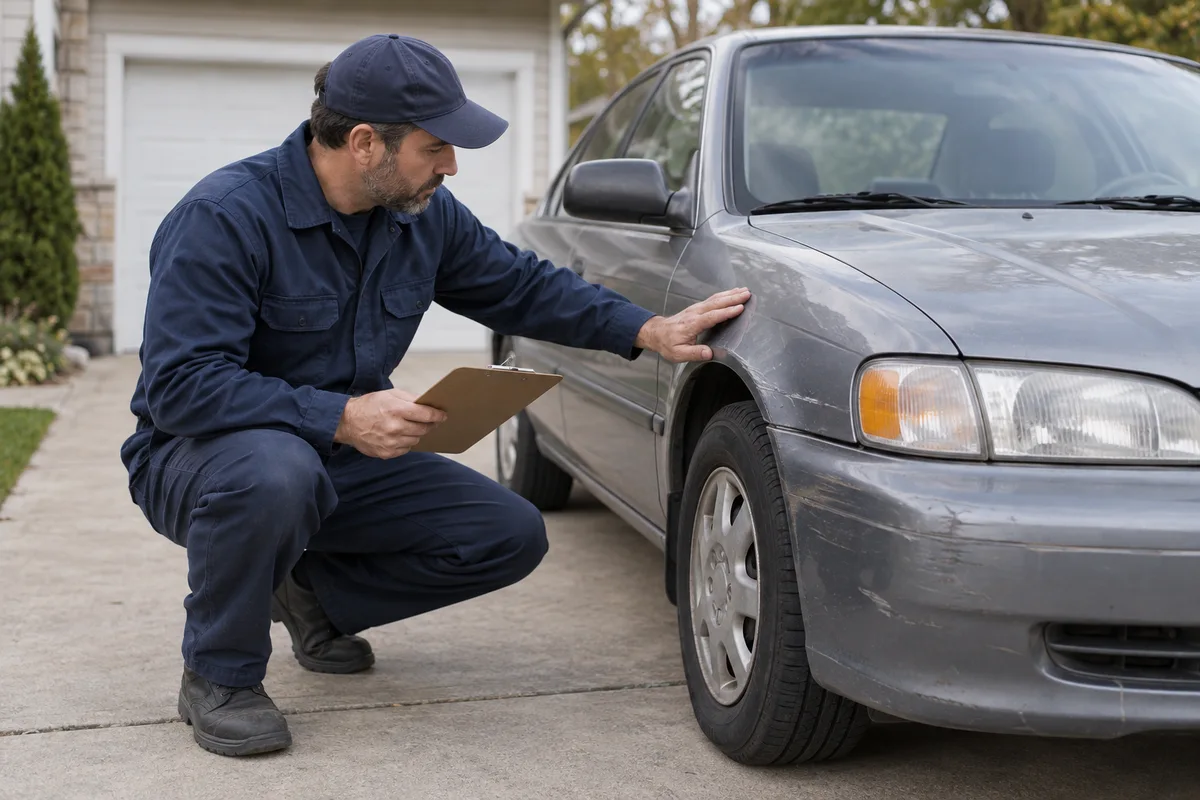
“Decrepit” describes a car that is worn or in poor condition. It is descriptive language rather than a precise mechanical diagnosis. Replace the label with observable facts when asking for an offer, such as visible corrosion, starting problems, damage or missing parts.
Do these descriptions change the selling process?
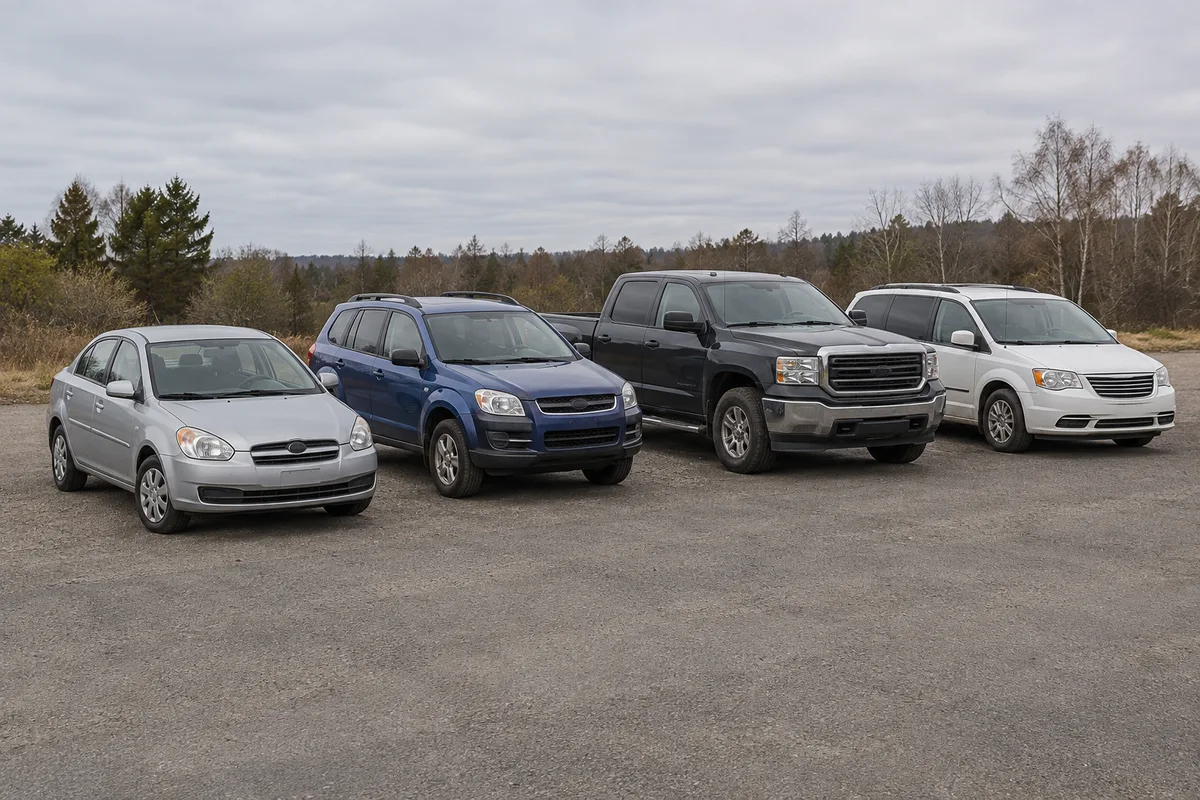
The selling process depends on the actual vehicle, ownership and collection arrangements. A descriptive label does not replace those checks. Provide the year, make, model, condition and postal code through the free scrap car value calculator to request an individual assessment.
Where do you go after identifying the vehicle’s condition?
Use the vehicle value factors guide to describe information that affects an assessment. The Canadian scrapping guide explains buyer checks and preparation. Our vehicle recycling guide explains what happens to fluids, reusable parts and materials after a vehicle enters the recycling process.
How do you turn a vague description into an assessment request?
Replace the label with observable condition and ownership information. A buyer needs to know what the car is, what is wrong with it and where it can be collected. You do not need to diagnose an unfamiliar fault to describe what you have observed.
| Vague phrase | More useful information |
|---|---|
| The car is decrepit. | Describe corrosion, damage or missing components that you can identify. |
| The engine is finished. | State the symptoms or provide the diagnosis you actually received. |
| The car is abandoned. | Establish ownership and distinguish a sale from a reporting concern. |
| The car is a wreck. | Explain the known damage and any open insurance claim. |
Is “abandoned” another word for an unwanted car you can sell?
An apparently abandoned vehicle is not automatically yours to sell. A sale needs the appropriate authority over the vehicle. A neighbour’s unused car, a vehicle left by a tenant and a car you own can involve very different questions.
Use the relevant municipal reporting route when the issue concerns somebody else’s parked vehicle. For your own car, establish the records and release arrangements before requesting collection. The vehicle’s appearance does not decide ownership.
Does poor condition establish a legal vehicle status?
A descriptive adjective does not establish the recorded status of a vehicle. Explain a known salvage or irreparable designation using the records available, and ask the relevant authority about uncertainty. Do not infer a legal status from visible rust or a failed starting attempt.
This distinction matters when someone proposes repair rather than disposal. A purchase amount does not establish permission for road use. The provincial guides explain the relevant starting points without treating every old car as the same legal category.
Which next step matches the information you have?
Choose the guide that answers the unresolved question. Use the comparison article for junk-versus-scrap terminology, the value guide for assessment factors and the provincial guide for ownership preparation. Keep the sale enquiry focused on your actual vehicle rather than trying to select a label that promises a higher price.
Your vehicle. Your decision.
Request your vehicle’s offer
Provide your vehicle details and collection location to start your enquiry.