
Cash For Cars · Canada
Vehicle Recycling in Canada
What does vehicle recycling involve?
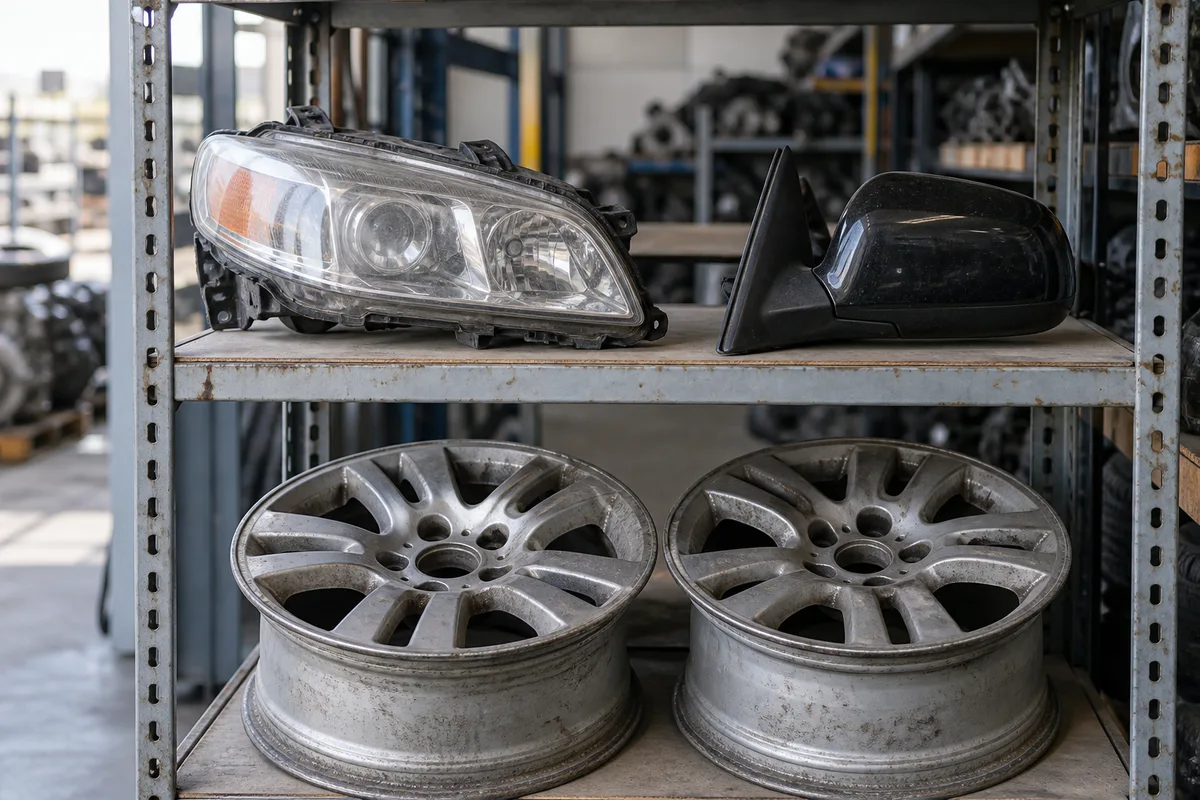
Vehicle recycling recovers usable components and materials from vehicles that have reached the end of their use. The vehicle’s condition determines what is suitable for recovery. Canada’s automotive recycling industry supplies used parts as well as managing end-of-life vehicles. Learn about automotive recycling.
What are the main stages of vehicle recycling?
The process includes removing fluids and other substances of concern, dismantling components for possible reuse, and sending the remaining vehicle body for metal recovery. Different facilities can carry out these stages. The Automotive Recyclers of Canada describes this sequence in its vehicle recycling process report.
- Remove substances of concern. The recycler separates fluids, batteries and other items that require specific handling.
- Recover components. Suitable parts are removed for potential reuse.
- Process the remaining body. Shredding and separation recover metal, while the remaining residue requires its own management route.
This describes an industry process. It does not promise a specific recovery percentage for your vehicle.
How is parts reuse different from material recycling?
Parts reuse keeps an assessed component in use as a component, while material recycling recovers material for further processing. A usable lamp and a damaged lamp do not have the same potential. The available recovery route depends on each component and material.
Ask the recycler which components and materials it can recover. A general recycling claim does not establish that every item in an individual vehicle will be reused or recycled.
What do you do with fluids and potentially hazardous components?

Leave fluid and component handling to an appropriate facility instead of draining the car to prepare a collection. Tell the collector about known leaks, battery damage or unusual damage before the visit. Do not open a high-voltage battery or attempt to release refrigerant yourself.
Our automotive parts disposal guide explains what to ask when dealing with loose items. Their acceptance is a separate question from collection of a complete vehicle.
Which parts of a vehicle require different recovery routes?
A vehicle contains components for possible reuse and materials for processing. Fluids, batteries and refrigerants also require appropriate handling. The receiving facility assesses what can be recovered; a single whole-car recycling percentage does not describe the route available for every item.
| Vehicle item | What the recovery decision considers |
|---|---|
| Lamps, mirrors and other components | The component’s condition and compatibility affect potential reuse. |
| Body and structural metal | The material and attached components affect processing. |
| Wheels and tires | The wheel material and tire condition require separate assessment. |
| Oils, coolant and other fluids | The facility needs an appropriate collection and handling route. |
| Batteries | The battery type and any damage affect handling. |
| Glass, plastics and upholstery | The receiving facility determines which recovery routes are available. |
Ask the facility about a particular item when its disposal affects your decision. The automotive parts guide covers loose items that are separate from a complete vehicle collection.
What is the owner’s role before recycling?
Confirm authority to release the vehicle, remove personal belongings and keep a completed disposal record. Check the relevant registration and insurance actions. You do not have to dismantle the car to begin a scrap car removal enquiry.
Our licensed recycler network supports collection and recycling. Use the free scrap car value calculator if you want a purchase assessment before deciding how to dispose of the vehicle.
Your vehicle. Your decision.
Request your vehicle’s offer
Provide your vehicle details and collection location to start your enquiry.