
Vehicle selling & recycling
What Is a Vehicle Identification Number (VIN)?
What is a VIN?
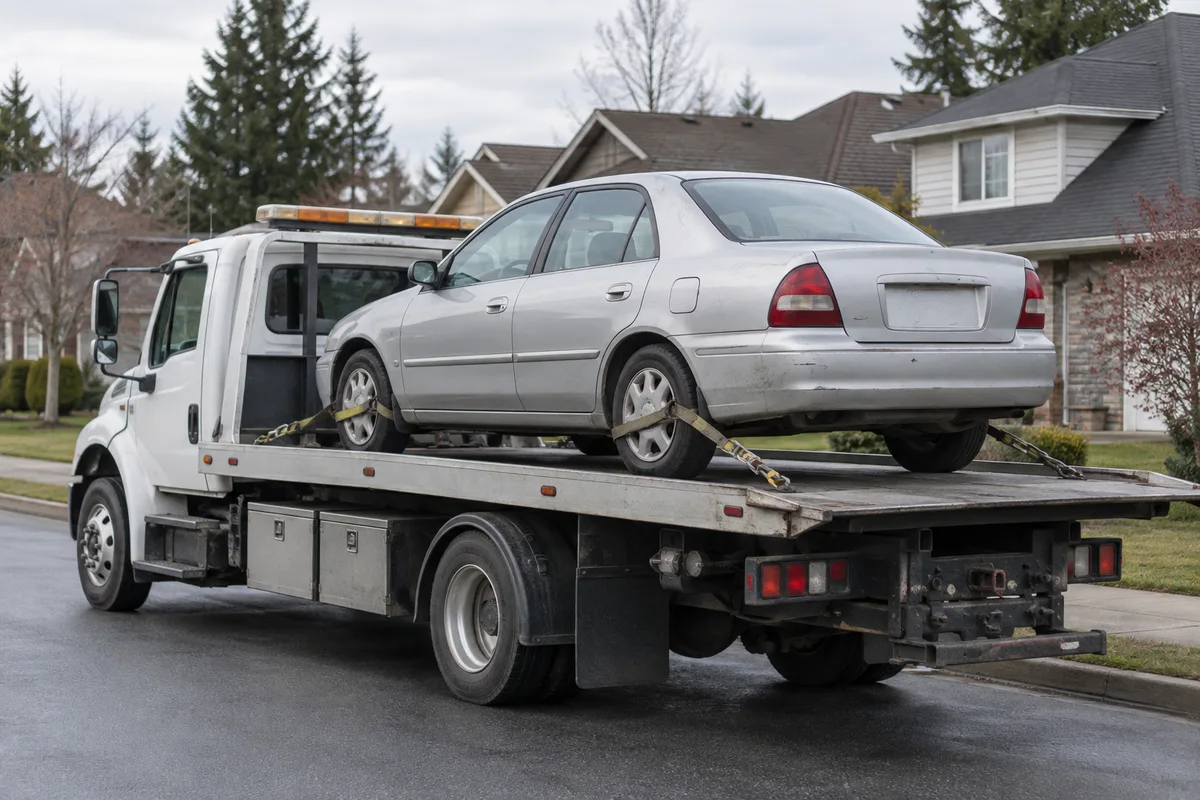
A vehicle identification number, or VIN, identifies an individual vehicle. Modern standard VINs contain 17 letters and numbers. The identification helps distinguish cars that share a make, model and year. Canada’s vehicle safety regulations specify the standard format. Read the VIN provisions.
Older or unusual vehicles can require separate identification checks. Copy the number from the vehicle’s records or identification marking rather than constructing it from an online example.
Where can you look for the VIN?
Check the vehicle registration records and the manufacturer’s identification locations for your model. Your owner’s manual can help you locate the marking. Compare the record with the vehicle where possible, and ask the appropriate authority about a discrepancy instead of guessing a missing character.
You do not have to dismantle the car to search for identification. Explain an inaccessible or damaged marking when discussing the documents you have.
Does a VIN prove condition or ownership by itself?
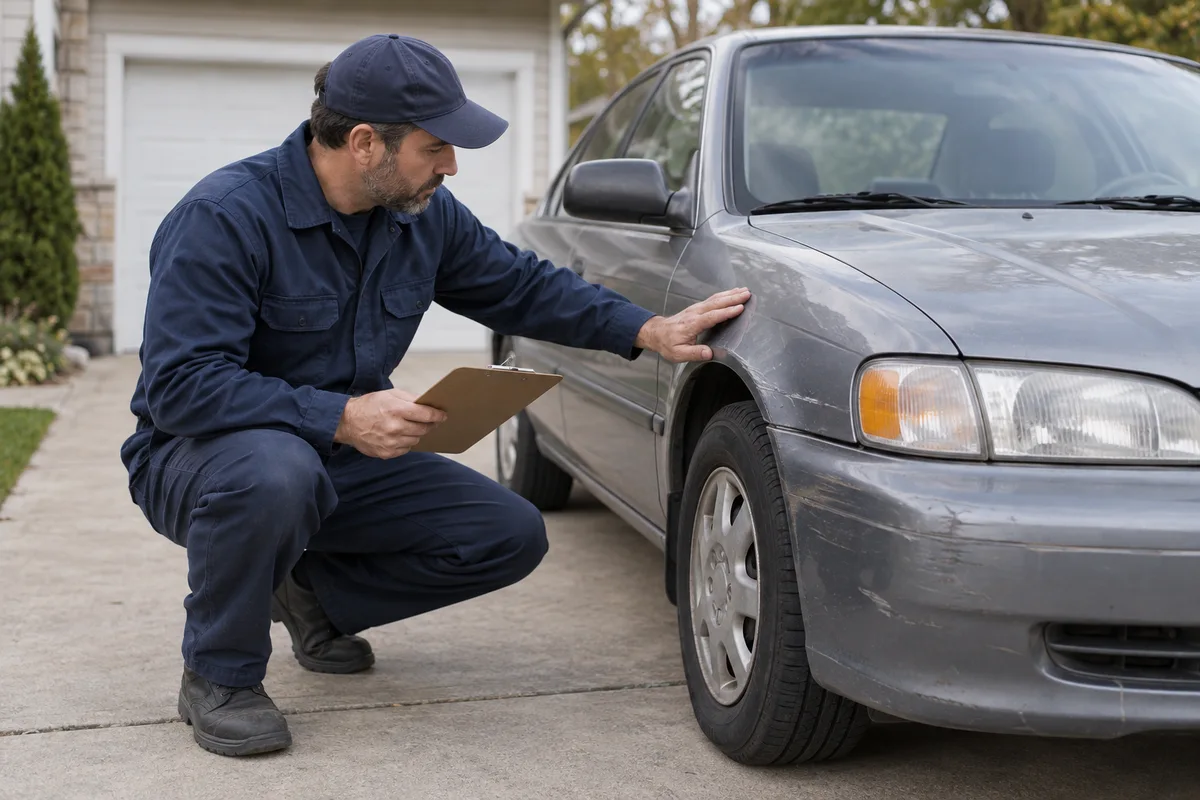
A VIN identifies a vehicle; the number alone does not establish its current condition or your authority to sell it. Those questions require the relevant records and assessment. A correct model identification does not prove that the original engine or other components remain in place.
Why does vehicle identification matter when selling?

Accurate identification connects the enquiry and sale record to the correct vehicle. Check the number carefully before completing handover documents. The Canadian scrapping guide explains the other preparation and paperwork questions to resolve before a sale.
When using the free scrap car value calculator, provide the requested vehicle details accurately. Share additional identification through the agreed enquiry process when it is needed for the assessment.
What if the VIN does not decode?
Check the copied characters against the vehicle and its records before assuming that the number is wrong. An older or unusual identification format can require a separate check. Ask the appropriate vehicle registration authority to resolve a discrepancy instead of altering a marking or guessing a replacement number.
How do you apply for a BC-assigned VIN?
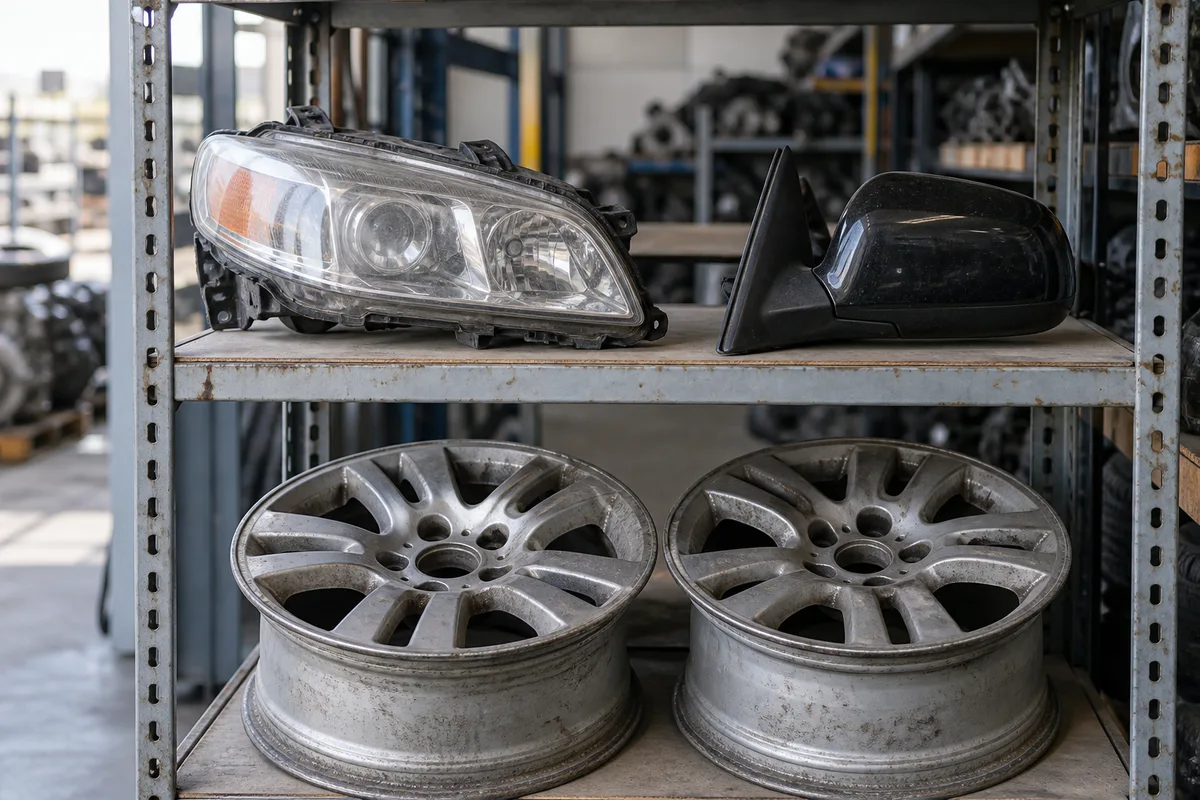
ICBC provides a BC-assigned VIN programme for the situations it specifies, including certain missing or damaged identification cases. Its current page offers an online application and a PDF route. Check the instructions and supporting requirements for your vehicle before applying. Read ICBC’s assigned VIN guidance.
Follow the programme’s installation and verification instructions if an application is approved. Do not use a generic tag-location description as permission to install or alter identification yourself.
How do you compare two records without guessing a character?
Read the number from the available records and note the exact discrepancy. Compare the same vehicle identifier rather than a plate number or a component serial number. A difference deserves a record check, not an improvised correction.
Write down which document contains each version and contact the appropriate registration authority when they do not agree. Explain a damaged or inaccessible marking. Do not alter an identification plate or construct a replacement number from the make and model.
What does a VIN decoder leave unanswered?
A decoder does not establish the vehicle’s current physical condition or seller authority. Even a successful identification does not prove that every original component is still fitted. Describe modifications, removed parts and known faults separately.
A decoder’s failure also does not prove the car is worthless. Older or unusual formats and transcription problems need the appropriate follow-up. Use the manufacturer’s records or registration authority rather than treating a single online result as the final decision.
How do you handle identification when requesting an offer?
Provide the details requested by the enquiry process and check them before completing the sale record. Share additional documents through the agreed contact process when needed. Avoid posting full identity documents in a public advertisement simply to show that a VIN exists.
Keep your own copy of the completed transaction linked to the correct vehicle. The model year identifies a category of cars; the VIN helps identify the individual car being sold. Both can matter without either one establishing a price.
What if a loose part carries its own identification number?
A component number and a vehicle identifier serve different purposes. A part number can help identify compatibility, while the vehicle record identifies the car involved in the sale. Do not substitute one for the other on ownership paperwork.
Use the automotive parts guide when selling or disposing of a removed component. Keep its description separate from the records needed for the remaining vehicle.
Your vehicle. Your decision.
Request your vehicle’s offer
Provide your vehicle details and collection location to start your enquiry.