Vehicle selling & recycling
Common Misconceptions About Selling Scrap Cars
Does a non-running car have no value?
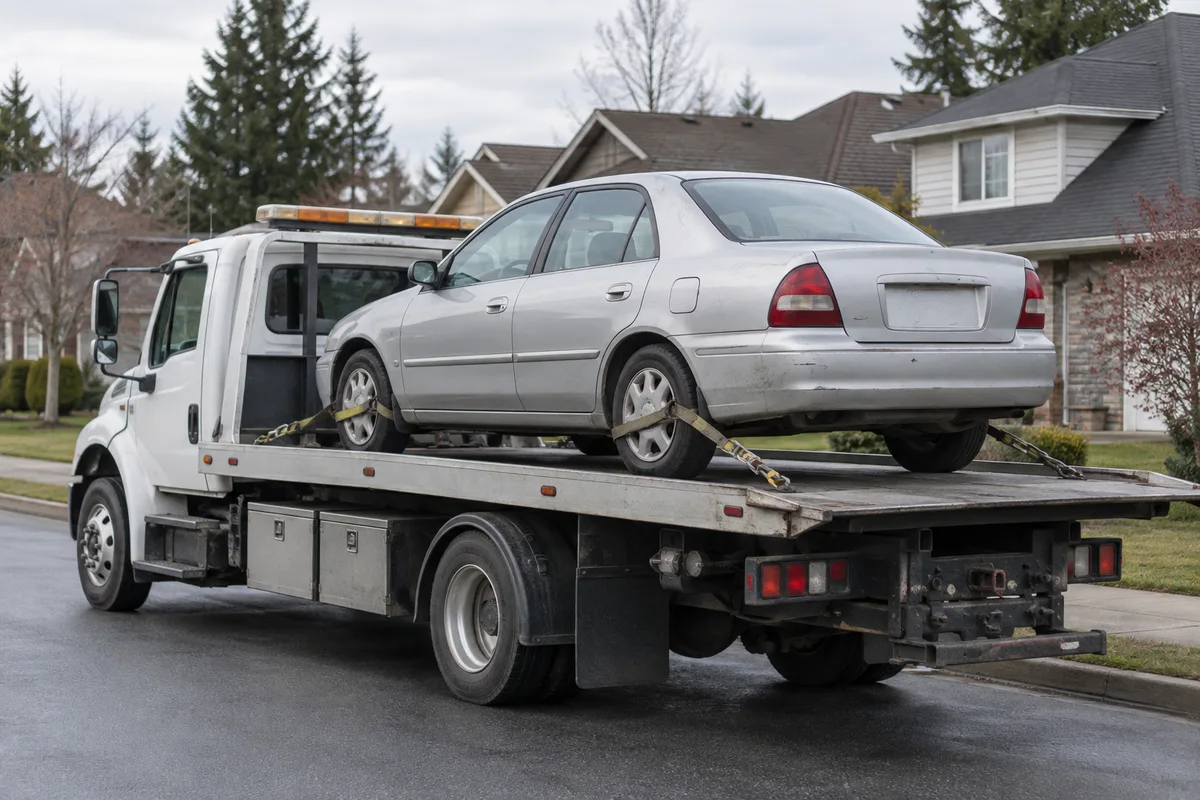
A non-running car can still contain recoverable material or potentially usable components. Its condition and completeness require assessment. An engine that does not start does not establish that the entire vehicle is worthless, and it does not establish a particular purchase amount either.
Does every model have one fixed scrap price?
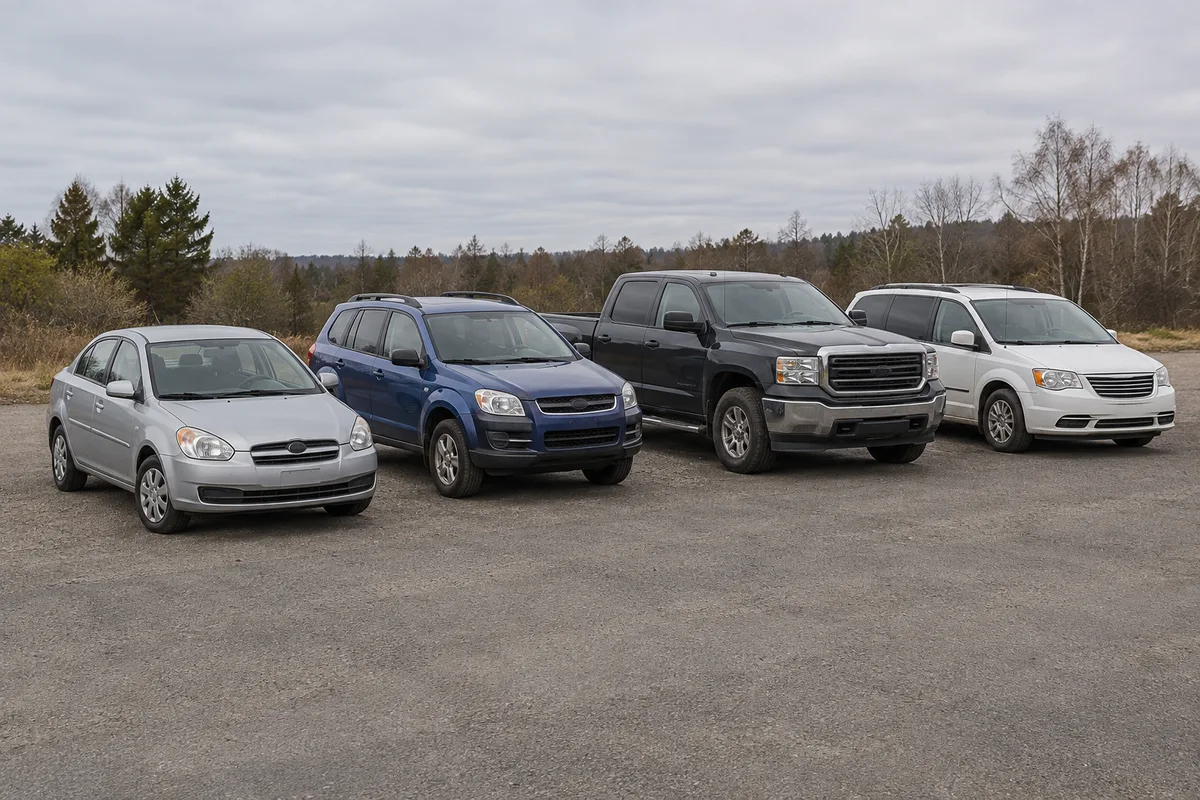
Vehicles of the same model can receive different offers because damage, missing parts, location and collection requirements differ. A model table cannot capture every vehicle’s condition. Treat calculator price examples as illustrations and request an offer for the actual vehicle.
Does a bigger car always receive a higher offer?
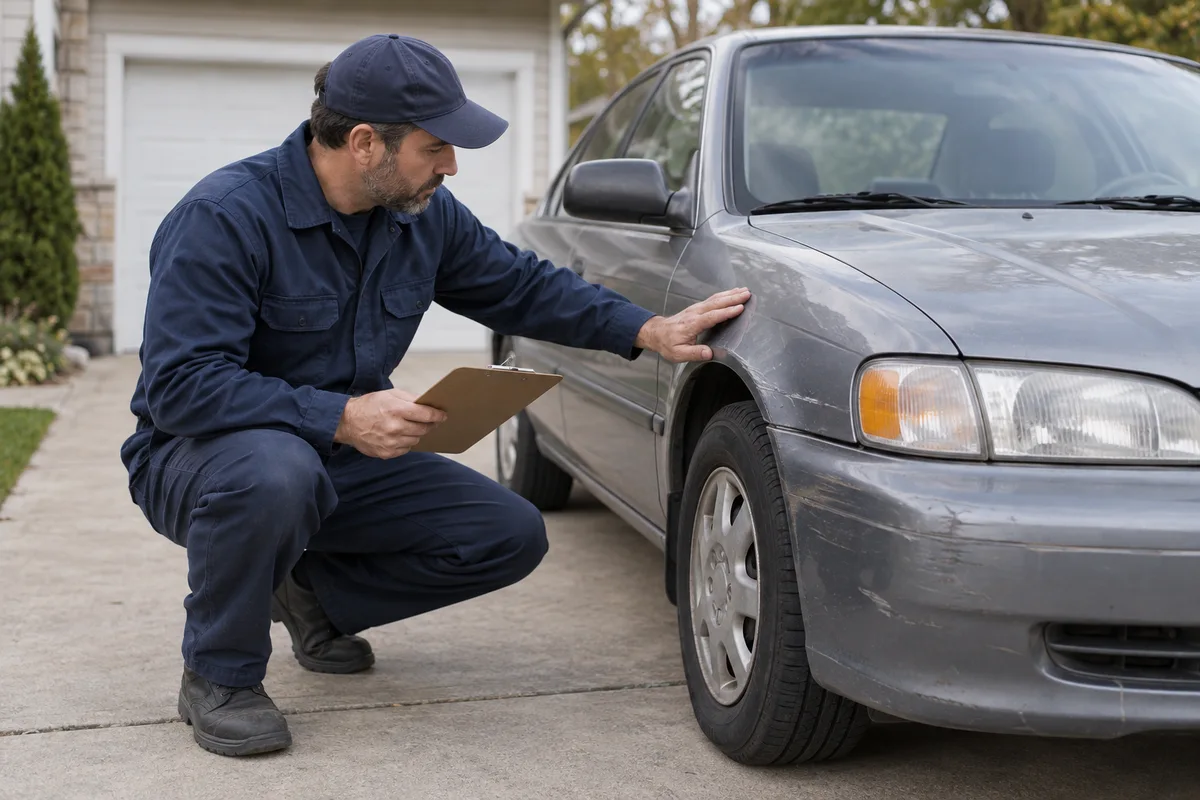
A bigger car does not automatically receive a higher offer. Weight is one factor, while recoverable material, usable components and collection requirements also matter. Read the value factors guide to understand why size alone does not settle an assessment.
Must you remove valuable parts before selling?
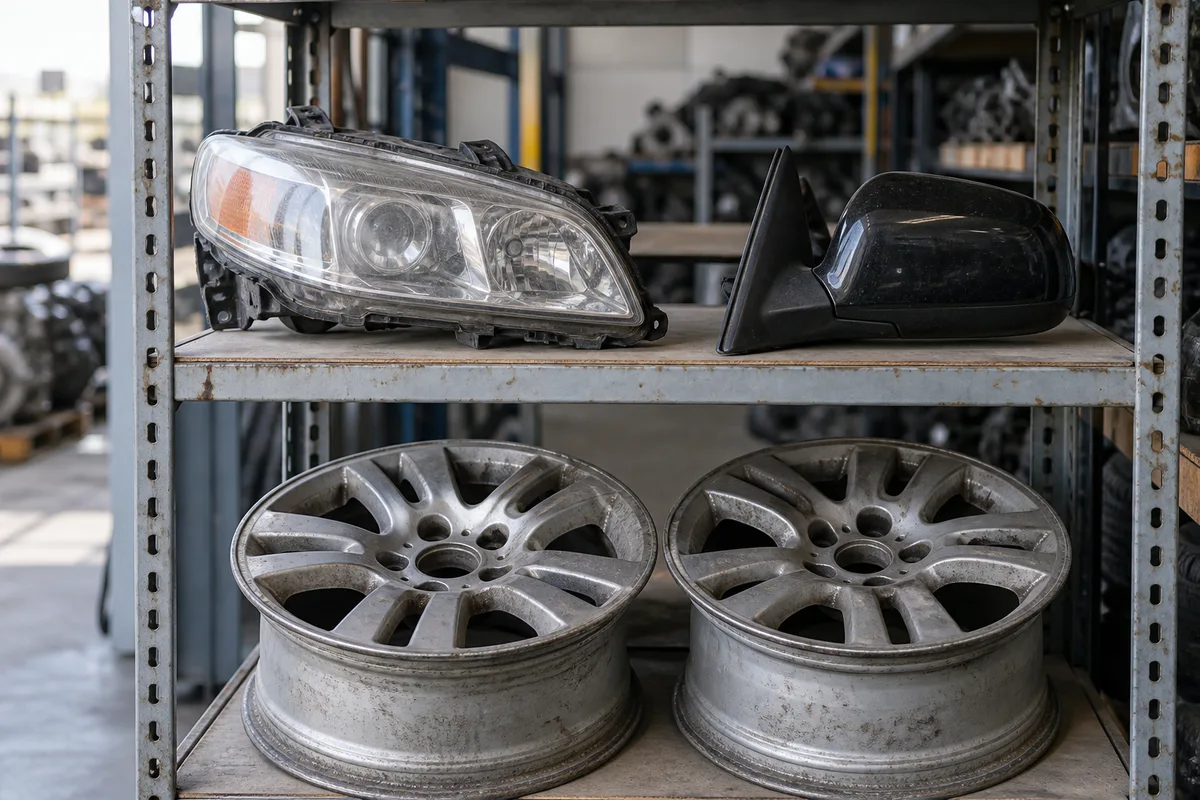
You do not have to remove parts to request a whole-vehicle offer. Removing a component changes the car being assessed and can change the collection requirements. Compare the realistic proceeds and effort of separate part sales before assuming that dismantling will improve your total return.
Does pickup complete all the paperwork?
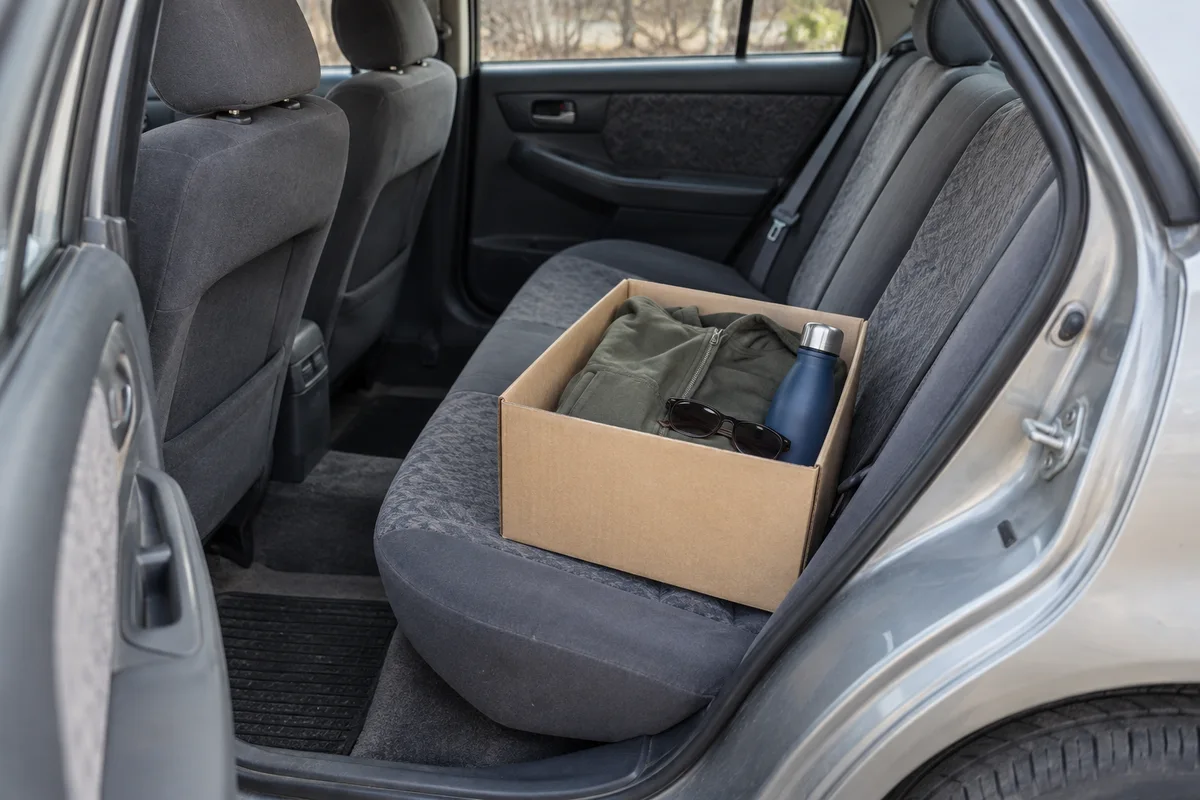
Pickup does not automatically complete every registration or insurance action. Keep the sale record and check the steps that apply to your province. The Canadian scrapping guide separates vehicle handover from the owner’s follow-up tasks.
Does a high advertised amount apply to every car?
An advertised maximum does not establish an offer for your vehicle. Ask which condition, model and collection assumptions support the amount. A complete running car and a stripped non-running shell can require different assessments even when the advertisement uses the same broad category.
Keep the same description when comparing buyers. Explain missing components and the actual parking location instead of quoting only the most favourable online example. A useful offer discussion identifies what remains subject to inspection and what you receive after agreement.
Does “free towing” remove every separate account?
Free towing describes the collection included in an accepted purchase. It does not automatically settle an earlier repair, storage, parking or impoundment account. Ask the business holding the vehicle about its release arrangements before confirming a collection.
For example, a repairer can have the keys while the owner has authority to sell. The collector still needs the business to release the car at the agreed time. Keep that access question separate from the buyer’s purchase amount so neither arrangement is assumed to cover the other.
Does a missing key mean the vehicle cannot be assessed?
A missing key is information to disclose rather than a reason to invent a condition report. Explain whether you know the car’s starting condition and whether its steering is locked. Do not describe an untested car as mechanically sound or assume a replacement key is required before an enquiry.
The buyer needs the actual mobility and access details to discuss collection. Tell the buyer if the keys are later found or the car is moved. Those updates keep the proposed visit consistent with the vehicle available for sale.
Which statements help replace assumptions with useful facts?
Describe what you know and identify what remains unconfirmed. “The engine does not start, all wheels are fitted and the car is in an open driveway” provides more useful information than “the car is scrap.” Add the year, make, model and ownership details to complete the enquiry.
Use the relevant guide for a paperwork question rather than treating a buyer’s willingness to discuss price as confirmation that the records are complete.
Your vehicle. Your decision.
Request your vehicle’s offer
Provide your vehicle details and collection location to start your enquiry.